

Environmental
23 April 2026
Biodiversity Conservation Project: “SSP GREEN HAVEN: Protecting Life, Preserving Nature”
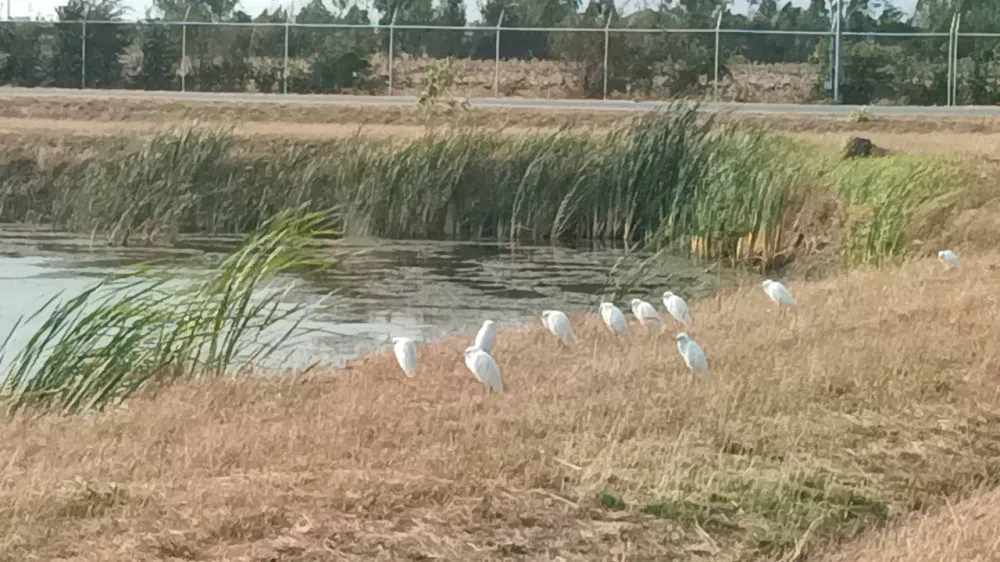
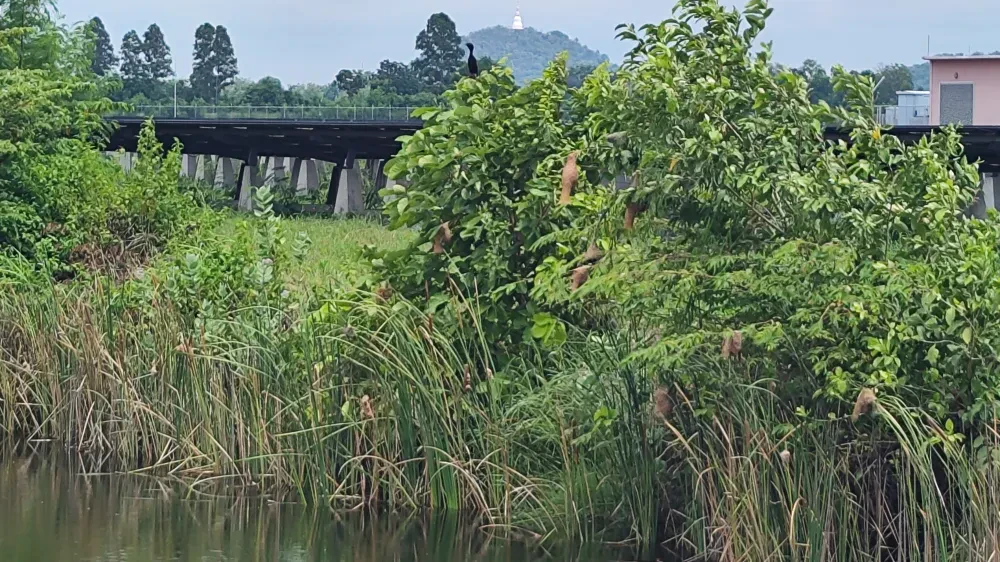
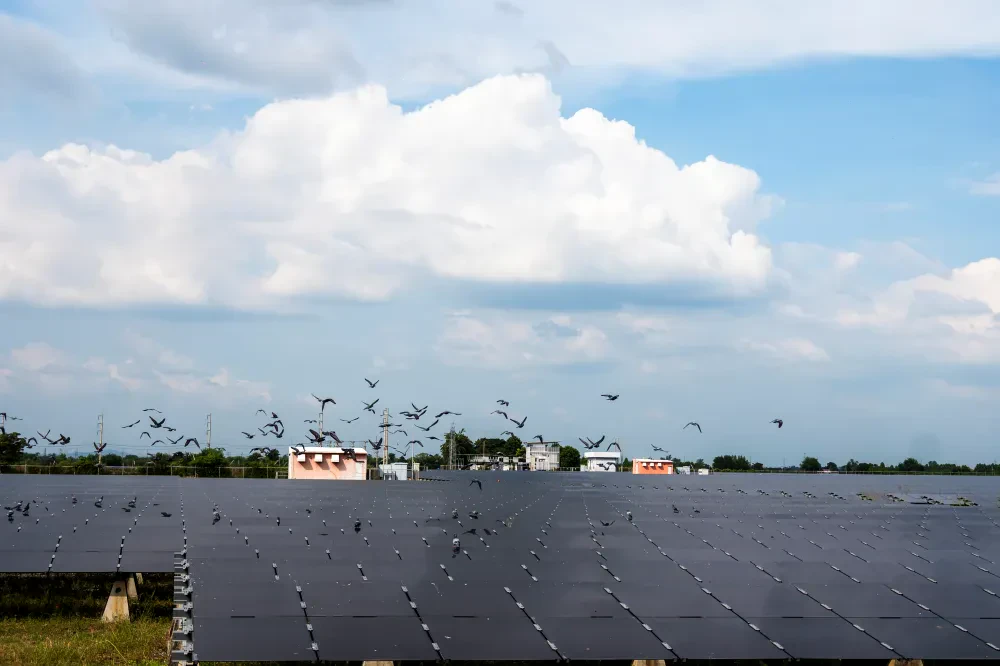
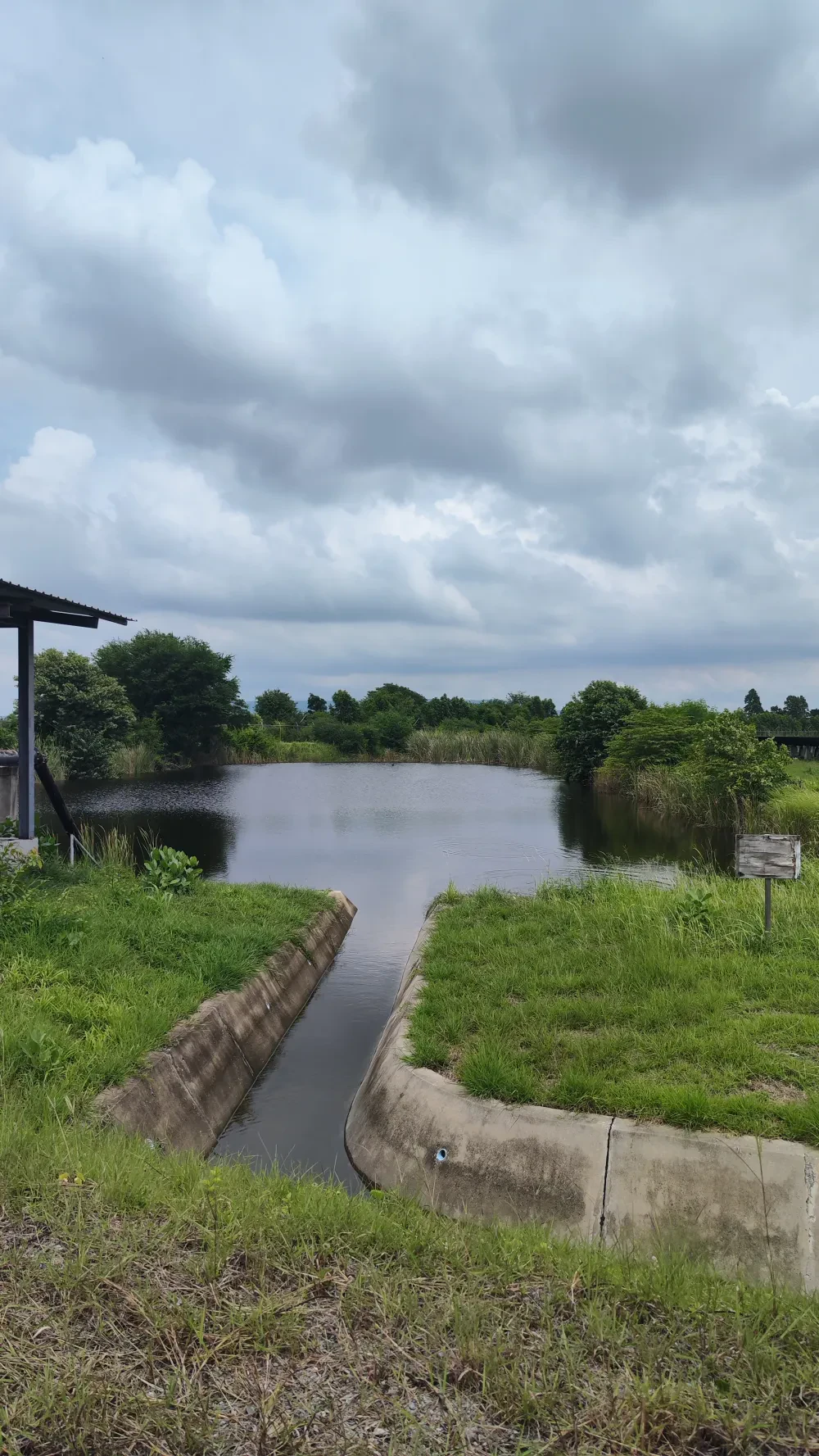
The Company has successfully cultivated a robust natural ecosystem within and surrounding its power plants, providing a sanctuary for local wildlife and migratory birds. Through the expansion of green spaces, strict adherence to wildlife protection laws, and comprehensive ecological impact assessments, the Group demonstrates its role as a responsible renewable energy provider. We prioritize biodiversity conservation to become a nature-positive renewable energy firm, driven by the conviction that sustainability and biodiversity can advance in harmony with clean energy development.
This year’s achievements result from a collaborative synergy between the Company, local communities, contractors, and employees. Their active engagement reflects a tangible commitment to sustainability, evidenced by measurable performance. Our ongoing monitoring of bio-indicators around the power plant sites shows significant progress, mirroring our success in habitat restoration and the management of a species-friendly environment.
Collaborative Habitat Restoration and Green Space Expansion
On May 20, 2025, the Company utilized its power plant areas as a hub for collaboration, inviting contractors, local laborers, community committees, and employees to participate in a reforestation initiative. A total of 150 trees, including Lagerstroemia loudonii (Sela), Jacaranda mimosifolia (Sritrang), and Lagerstroemia speciosa (Inthanin), were planted to establish a Natural Buffer Zone. These green corridors serve as safe havens and foraging grounds for migratory and indigenous bird species, fostering long-term biodiversity growth.
1. Avian and Wildlife Protection
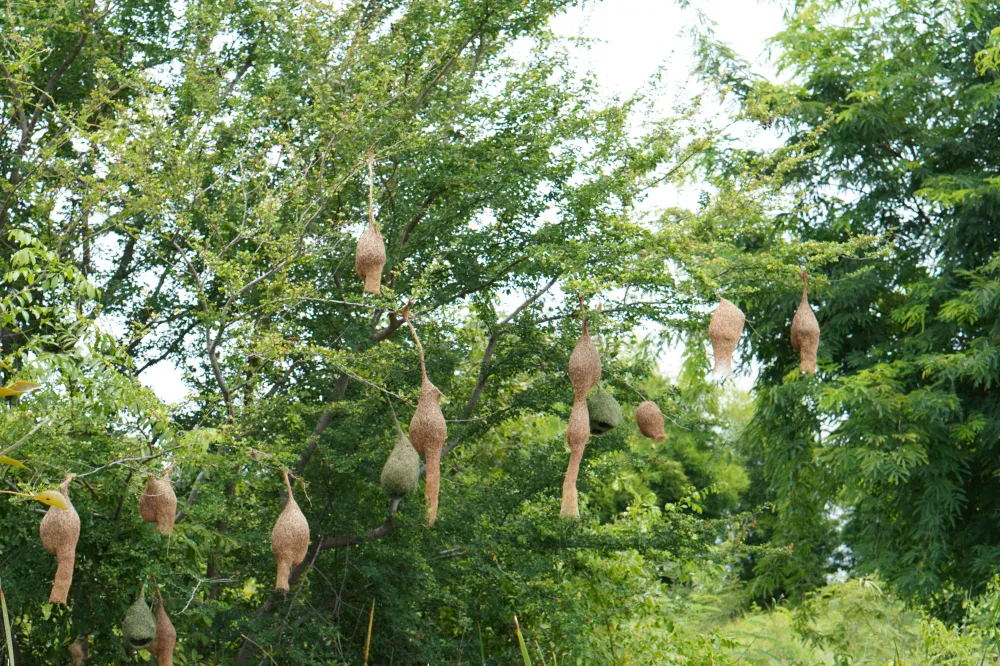
According to the 2025 Bio-indicator Survey and Report, the avian population reached approximately 785 individuals, with species richness increasing significantly from 18 to 31 species. The details are as follows:
Avian Population Data (2023–2025)
| Species (Common Name) | Baya Weaver | Cormorant | Red Junglefowl | Red-wattled Lapwing | Large-billed Crow | Grey Heron | Asian Openbill | Blue-throated Bee-eater | Yellow-bellied Sunbird | Red Turtle Dove | Oriental Magpie-Robin | Ashy-headed Starling |
|---|---|---|---|---|---|---|---|---|---|---|---|---|
| 2025 | 60 | 20 | 48 | 10 | 4 | 20 | 12 | 54 | 54 | 60 | 20 | 5 |
| 2024 | 200-300 | 50-100 | 5-10 | 50-80 | 5-10 | 10 | 20 | - | - | - | - | - |
| 2023 | 200-300 | 30 | 20 | - | - | - | - | - | - | - | - | - |
- Positive Species Growth: The Red Junglefowl population surged to 48 individuals (a growth of over 380% from the previous 5–10). The Grey Heron population doubled to 20. These increases serve as key indicators of the area’s tranquility and ecological recovery.
- Ecological Rebalancing: Populations of certain species adjusted naturally as new species occupied the habitat. While the Baya Weaver (60), Cormorant (20), and Asian Openbill (12) showed lower counts compared to previous peaks, and the Large-billed Crow remained stable at 4, the overall trend reflects a healthier, more diverse environment rather than a monoculture of a few dominant species.
3. Compliance with Wildlife Protection Laws
As the bird species identified within the project sites are classified as protected wildlife under the Wild Animal Conservation and Protection Act, B.E. 2562 (2019), the Group strictly adheres to all legal mandates. We prohibit the destruction of nests, prevent any form of disturbance, and maintain secure habitats to ensure our operations align with ethical standards and conservation laws.
4. Biodiversity Impact Assessment and Stakeholder Engagement
Beyond continuous ecological monitoring to assess species density, the Company hosted a "Bird Watching" event this year. This allowed community representatives and employees to experience the site’s biodiversity firsthand. Additionally, specialized lectures were conducted to raise awareness regarding biodiversity and the symbiotic relationship between communities, nature, and renewable energy infrastructure.
5. Long-term Commitment to Ecosystem and Biodiversity Conservation
The Group remains committed to preserving and expanding forested areas surrounding our power plants. We will continue the systematic monitoring of wildlife populations as a key strategic tool to adapt our conservation efforts to changing environmental conditions. We move forward with a mission to create shared value with the community through ongoing environmental advocacy.
Gallery