


Community Participation and Development
Importance and Mission
The Group recognizes that the success of the clean energy transition cannot be measured solely by financial performance but must also be reflected in the “sustainability and resilience of the communities” in which we operate. Under the sustainability strategy pillar “PARTNERING for Good Society,” the Group views communities not merely as affected parties but as essential “strategic partners.”
The Group’s social responsibility therefore goes beyond the traditional focus on mitigation of negative impacts, toward creating Net Positive Impact and driving Creating Shared Value (CSV) for all stakeholder groups. The Group is committed to ensuring that the coexistence between power plants and communities becomes a sustainable ecosystem of mutual support and shared benefits.
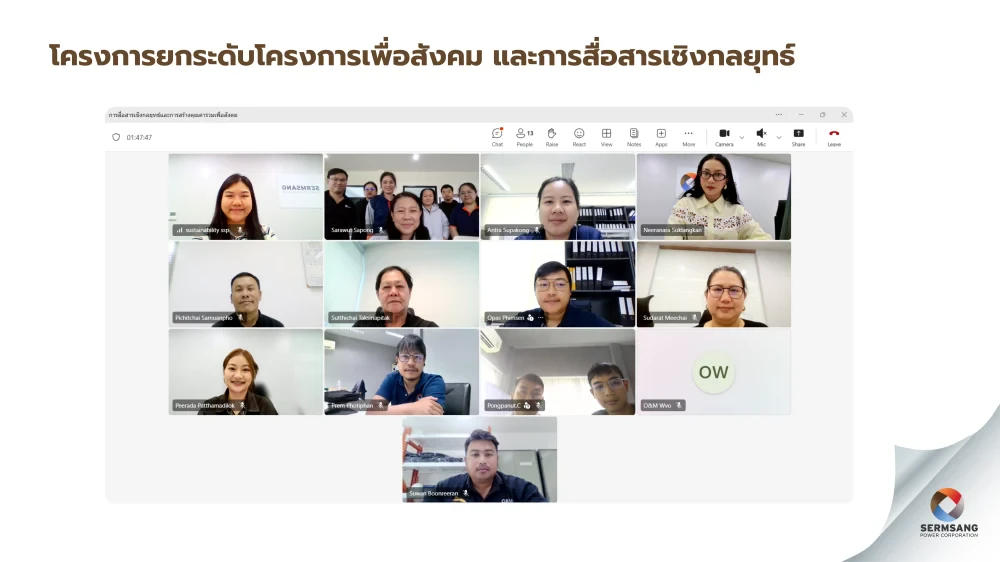
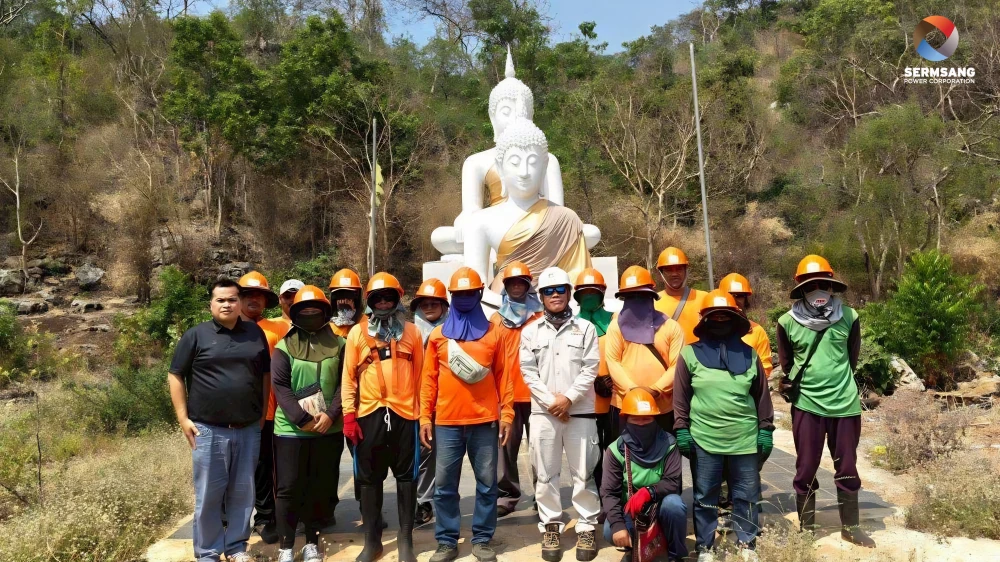
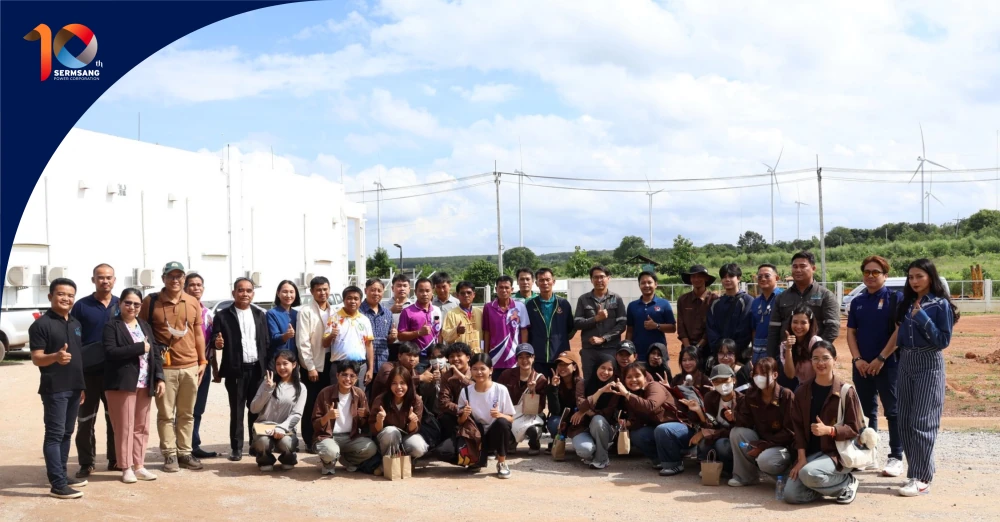
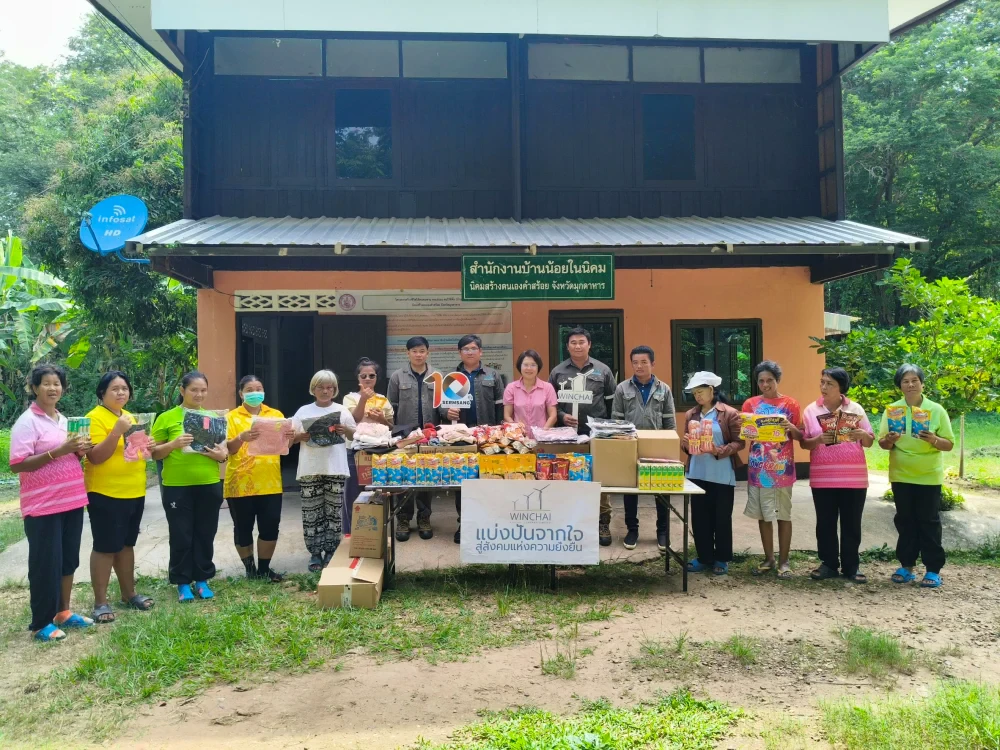
Stakeholder Engagement & Trust Building. Genuine community engagement and transparent communication about renewable energy operations and the Group’s activities serve as a “Fundamental Framework” for all personnel. This process not only builds acceptance and trust, Social License to Operate, but also creates opportunities for the Group to apply its technical expertise to support local development. Genuine community engagement and transparent communication about renewable energy operations and the Group’s activities serve as a “Fundamental Framework” for all personnel. This process not only builds acceptance and trust, our Social License to Operate, but also creates opportunities for the Group to apply its technical expertise to support local development. Furthermore, encouraging employees to work closely with communities helps instill a spirit of giving (Volunteerism), reflecting the Group’s “FAIR” values (particularly R: Responsibility) and embedding these principles deeply within the organizational culture.
SDGs in the Community
Participation and Development
Participation and Development


Goals and Performance Highlights
Goals



Performance Highlights 2025

In 2025, the Group initiated a satisfaction survey on its community relations management practices, covering four communities located near project sites. A total of 55 respondents participated in the assessment. The average satisfaction score was

In 2025, The Group achieved tangible progress in advancing the “PARTNERING for Good Society” strategy, successfully meeting its highest community relations target: achieving This achievement was not coincidental but the result of strengthening the Social Impact Assessment process and implementing Proactive Community Relations Management in alignment with international sustainability standards.
Management Approach
1. Community Empowerment & Grievance Mechanism The Group focuses on building trust and social acceptance (Social License to Operate) through transparent and accurate communication regarding renewable energy operations. Communities are not only recipients of information but also active participants in providing safety related feedback and reporting potential negative impacts. To align with human rights principles and international standards, the Group has established a formal Grievance Mechanism that is accessible, transparent, and equipped with strict whistleblower protection measures to ensure that all stakeholder voices are heard. Stakeholders can submit concerns through the following channels:
- Suggestion Boxes: Installed at the entrance of every project site
- Community Dialogue Platforms: Through Community Committee meetings
- Postal Mail: Addressed to the Audit Committee or Company Secretary
Sermsang Power Corporation Public Company Limited
325/14 Lan Luang Road, Si Yaek Mahanak, Dusit District, Bangkok 10300 - Telephone: +66 2 628 0991–2
- Website: www.sermsang.com
- Email: info@sermsang.co.th
2. Community Survey and Feedback
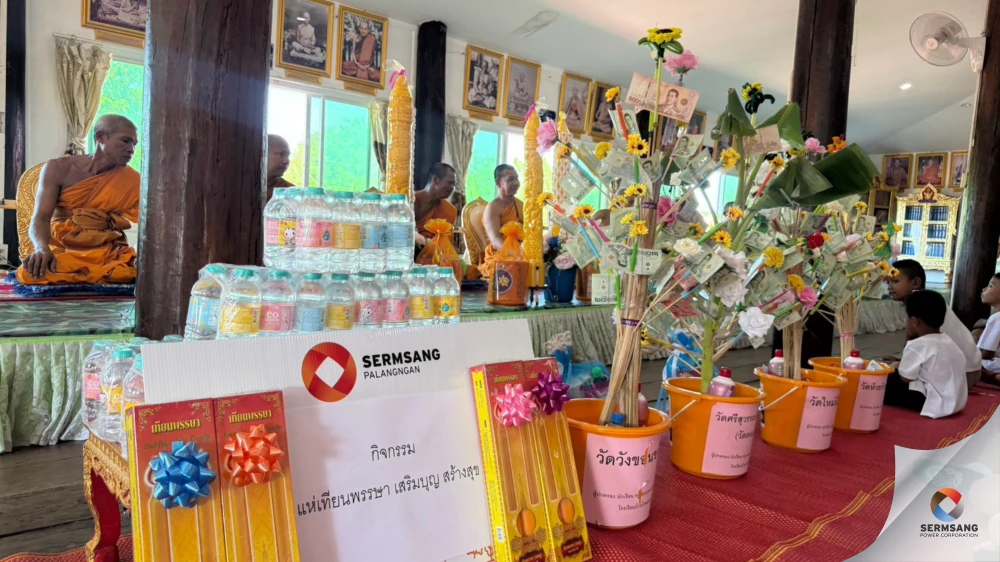
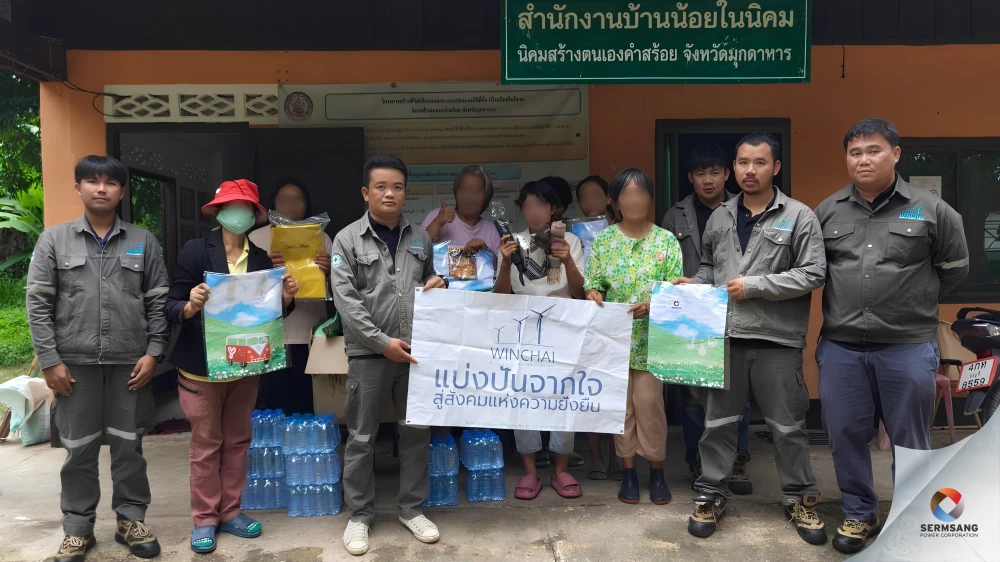
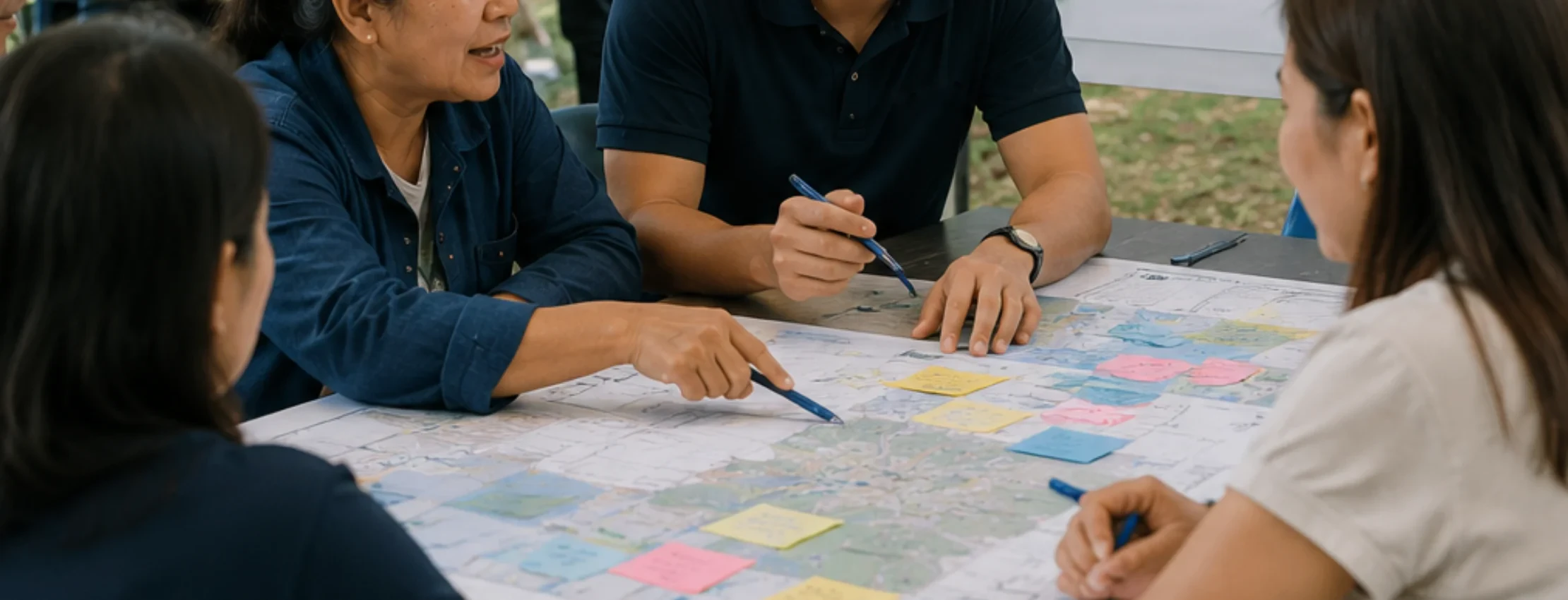
The Group conducts community surveys and gathers feedback from residents living near project areas prior to construction, including preparing survey reports and responses to the feedback received, to ensure that project development aligns with the needs and satisfaction of local communities. The Group complies with the requirements specified in the implementation reports, such as preparing at least one report per year. The Group’s working team collaborates with the community and provides opportunities for residents to participate in the established committees, creating channels for communication and addressing issues that may arise between the project and the community. In addition, the Group places importance on supporting various social activities such as education, cultural traditions, religion, and public benefits through regular coordination with relevant agencies.
To ensure that social and local community engagement is guided by clear and tangible practices, the Group communicates impact prevention and mitigation measures both within the project and to external communities.
3. Compliance and Measurement
3.1 Air Quality Management Criteria
The Group installs plastic panels, fences, or canvas sheets and conducts water spraying in areas where activities may generate dust, as well as along access roads, at least twice a day (morning and afternoon), or as appropriate based on weather conditions. The rear sections of vehicles transporting dismantled materials that may disperse onto road surfaces are covered at all times during transport. Before vehicles exit the project area, they are washed thoroughly, including the vehicle body and wheels, to remove soil, mud, or sand that may cause hazardous conditions or dirt on public roads.
3.2 Noise Control Management Criteria
The Group informs the community of demolition plans that may generate loud noise at least two weeks prior to the activity. Demolition activities that may pose risks or impacts to nearby communities or surrounding living organisms are carried out only during daytime, except for activities that must be completed continuously, for which community leaders must be notified at least seven days in advance. Thick solid panels, fences, or equivalent materials are installed at the boundary of the demolition area, particularly on sides adjacent to or near communities or sensitive areas. Where noise barriers are required, they should be installed as close as possible to the noise source. Hearing protection equipment is provided for workers operating in high-noise areas, and noise levels are controlled to remain within standard limits. Dropping materials from heights is avoided; if necessary, cushioning materials such as rubber sheets or carpets are used to reduce impact noise between objects and demolition surfaces.
3.3 Water Quality Management Criteria
The Group establishes temporary field offices and worker accommodations equipped with adequate and hygienic toilets, located at least 30 meters away from water sources. A prefabricated wastewater treatment system is installed for all sanitary facilities to ensure that wastewater meets government-mandated discharge standards before being released externally. Discharging any untreated waste into water sources is strictly prohibited, and wastewater must be pumped out or disposed of in accordance with legal requirements. If groundwater is used during demolition activities, approval must be obtained from the relevant authorities.
3.4 Transportation and Traffic Management Criteria
The Group installs clear and visible warning signs, both day and night, at least 100 meters before the demolition area. All drivers involved in construction activities receive training and are strictly required to comply with traffic regulations. If construction activities cause damage to traffic signs, signals, or road surfaces, immediate repair must be carried out.
3.5 Waste and Solid Waste Management Criteria
The Group provides adequate waste containers and materials are provided in work areas and worker accommodations to manage waste generated by workers, and coordinates with local authorities to ensure proper waste disposal.
3.6 Occupational Health, Safety, and Working Environment Criteria
The Group manages occupational safety in accordance with legal requirements related to safety, occupational health, and the working environment for demolition activities in a systematic and effective manner. Warning signs indicating the demolition boundary are installed in clearly visible and easily recognizable locations.
3.7 Economic, Social, and Communities Participation Criteria
The Group disseminates information related to the demolition of equipment, machinery, or power plant structures by posting announcements within the project area or through other appropriate means, ensuring that the public and stakeholders are informed at least 7 days prior to demolition activities. Project staff are assigned to regularly visit nearby communities throughout the demolition period to gather feedback on environmental impacts arising from the project’s activities and to identify mitigation measures. A coordination center is also established to receive suggestions and grievances related to any inconvenience caused by the demolition.
3.8 Site Restoration Criteria
Upon completion of equipment dismantling, the Group restores the project site to a condition suitable for future land-use development, ensuring alignment with the current environment and avoiding any obstruction to environmental quality or safety.
4. Economic Promotion and Development
4.1 The Group prioritizes local employment when qualified personnel within the community meet the required competencies. Local hiring not only reduces recruitment costs for the Company but also provides community members with job opportunities close to home.
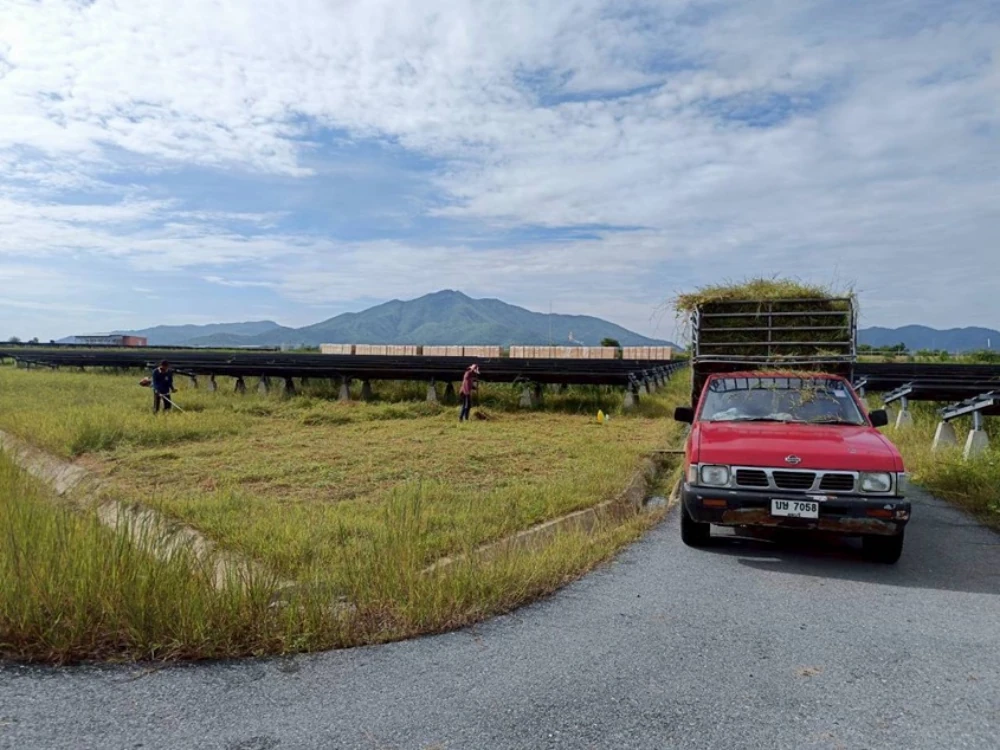
4.2 The Group’s procurement of locally sourced agricultural materials for use in biomass power plants serves as another approach to promoting the local economy, through the purchase of agricultural byproducts that have limited primary use such as rice straw, corn cobs, wood residues, and sugarcane leaves and stalks.
5. Quality of life
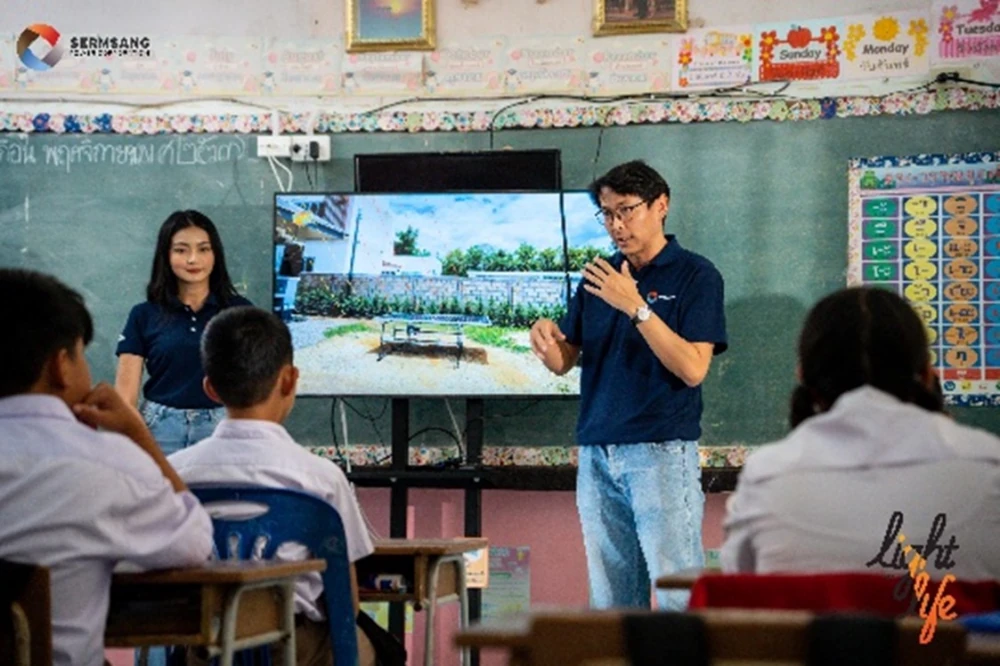
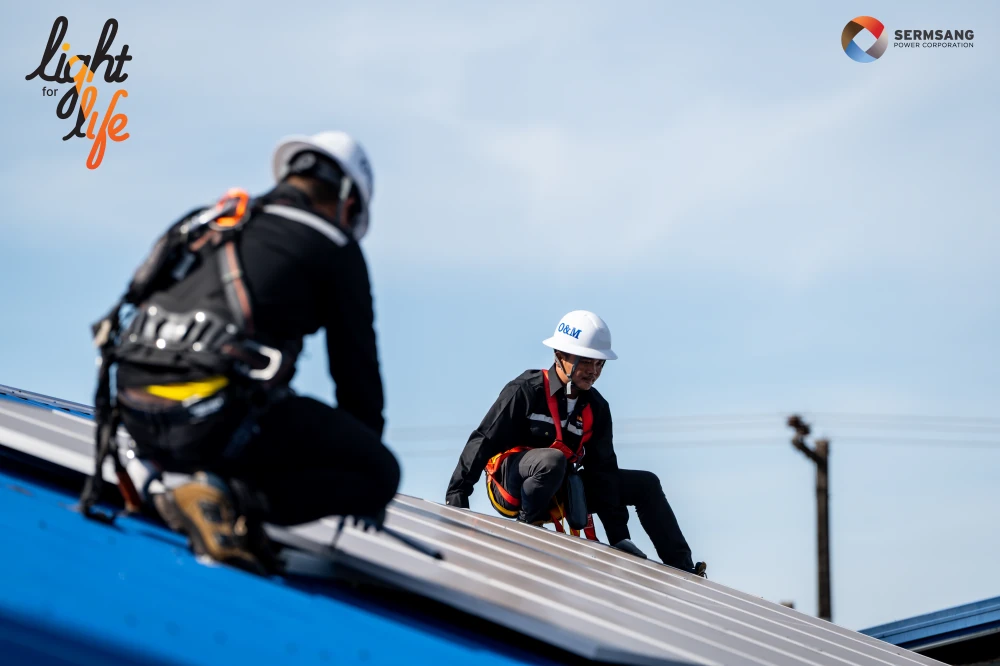
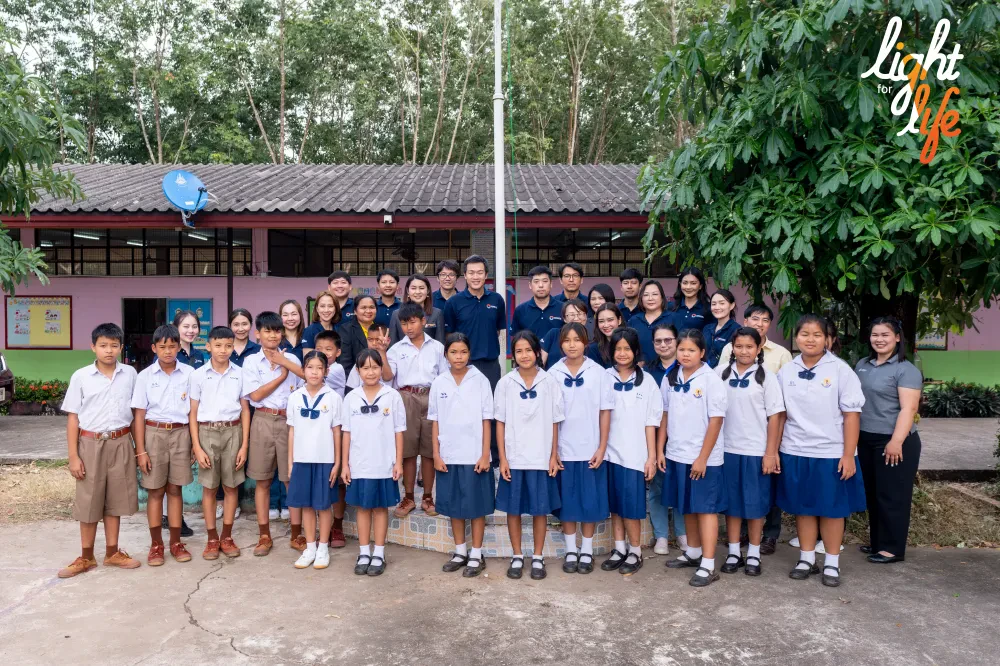
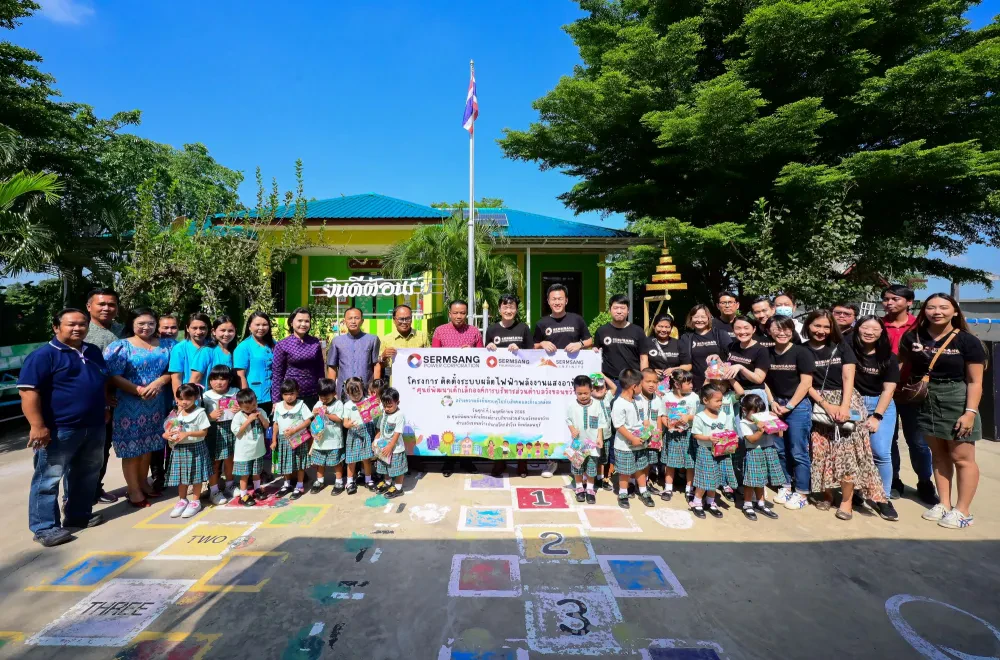
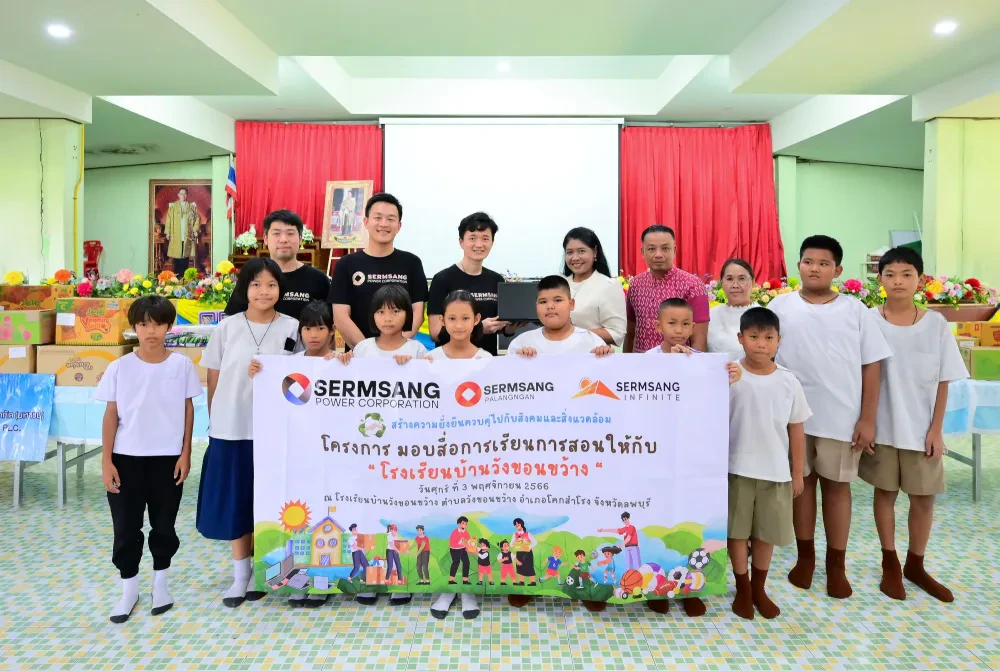
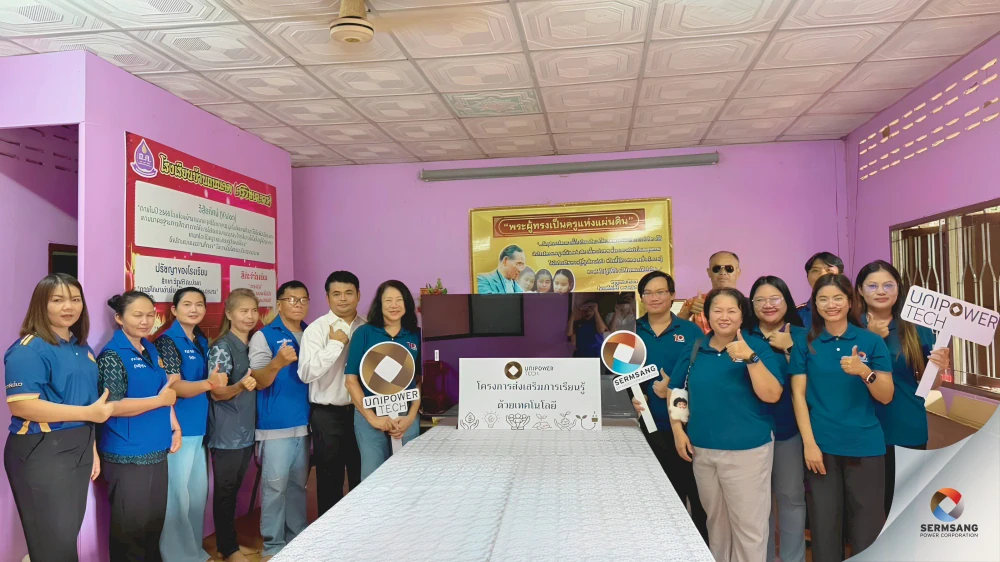
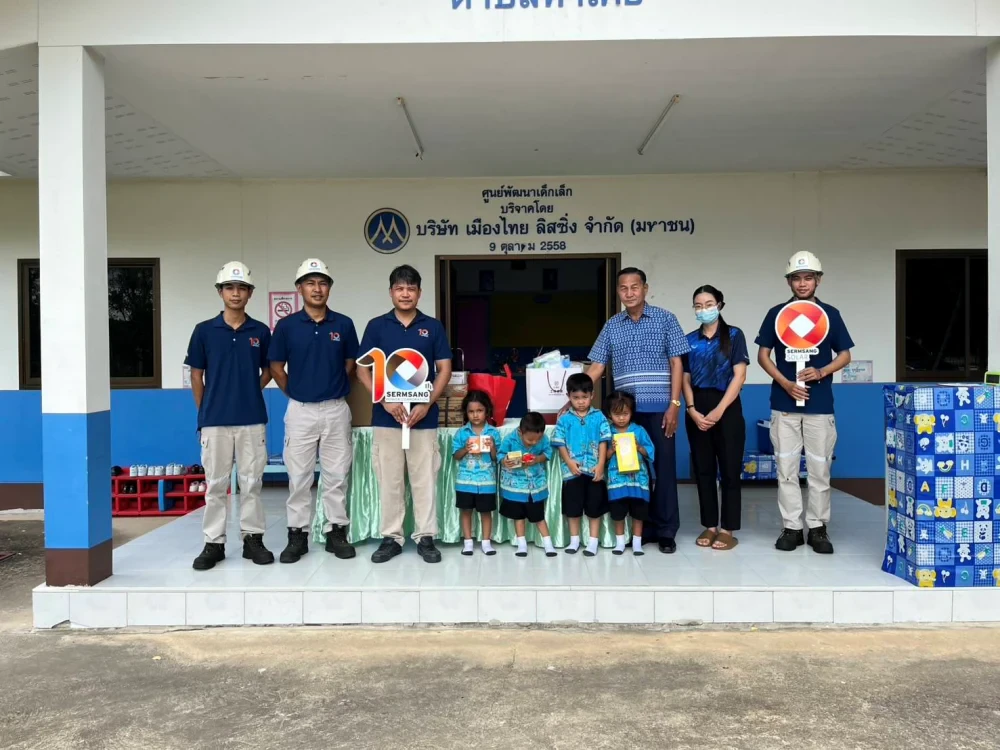
To ensure that sustainable development progresses alongside community well-being, the Group has designated the “Light for Life” initiative as its flagship program to support improved quality of life in local communities. Launched in late 2023, the program focuses on applying the Group’s technical expertise (CSR in Process) to benefit community institutions such as schools, temples, and public spaces. This includes installing solar rooftop systems to help reduce electricity expenses for participating locations, with data collected for performance comparison. The Group also conducts ongoing monitoring through internet-connected measurement devices in areas with network coverage and deploys personnel to carry out regular maintenance of the solar power systems.
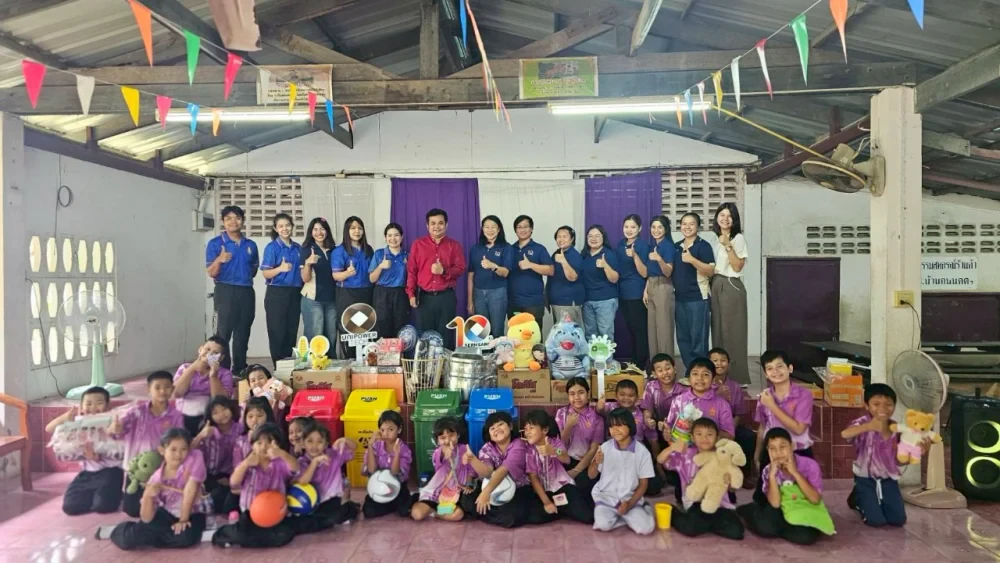
6. promotes and supports employee participation in volunteering activities (Employee Volunteering) during working hours.
This initiative aims to cultivate a spirit of giving (Volunteerism), reflecting our "FAIR" corporate values (specifically "R" for Responsibility) , and embedding these principles deeply within our organizational culture.
To achieve this, the Group implements concrete, company-sponsored volunteering activities backed by dedicated corporate budgets, as follows:
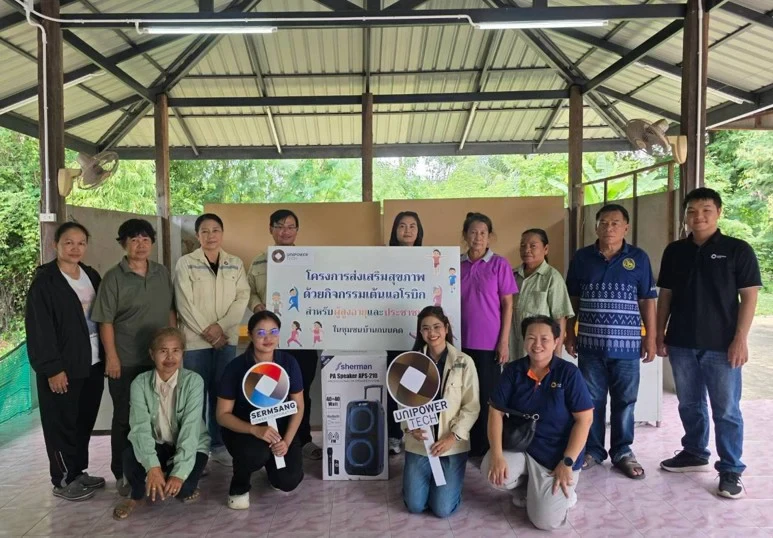
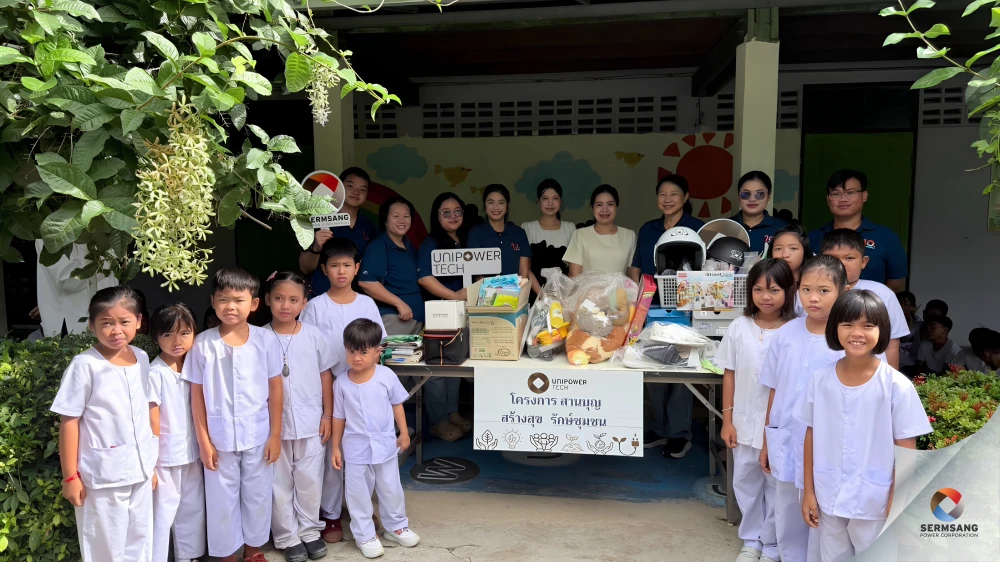
- Skilled Volunteering: Under our flagship "Light for Life" (Energy for Life) project, the Group allocates dedicated working hours and deploys teams of expert engineers annually to install, inspect, and maintain solar rooftop systems for local schools, temples, and child development centers in neighboring communities. This systematic effort leverages our technical expertise to sustainably reduce local utility expenses.
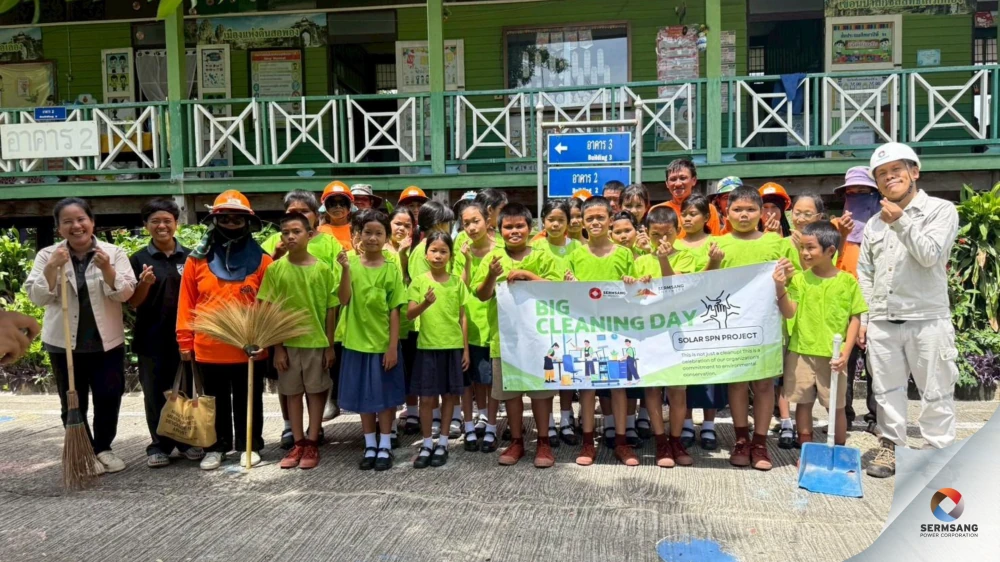
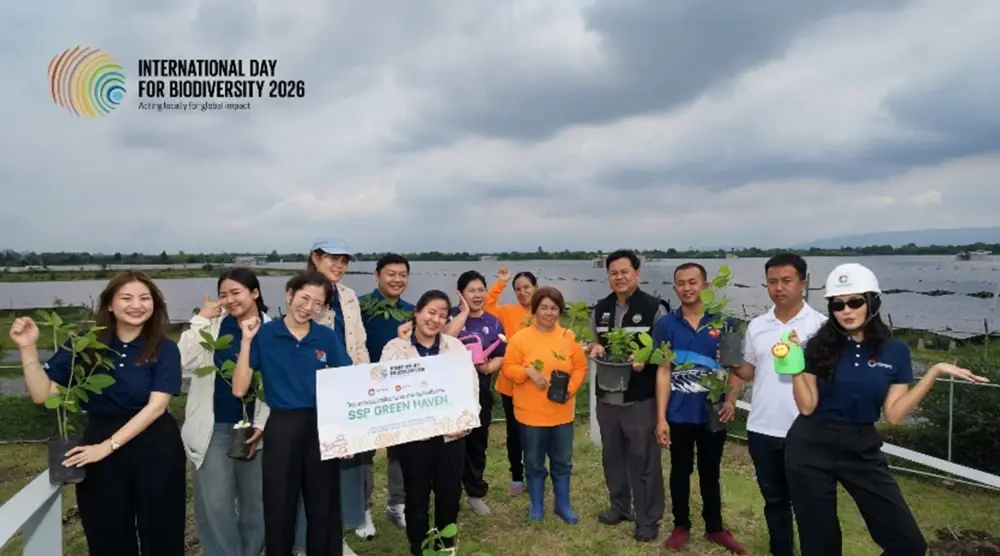
- Unskilled Green Volunteering: The Group provides corporate funding and working hours for employees to participate in volunteer tree-planting events and ecological restoration initiatives around our power plants. These activities successfully expand green spaces and raise environmental conservation awareness in close collaboration with civil society.
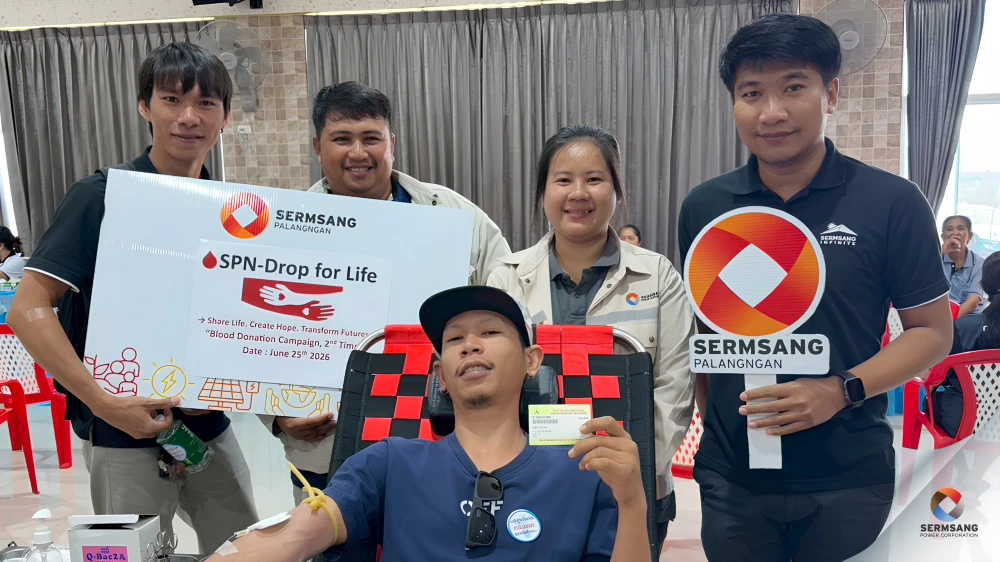
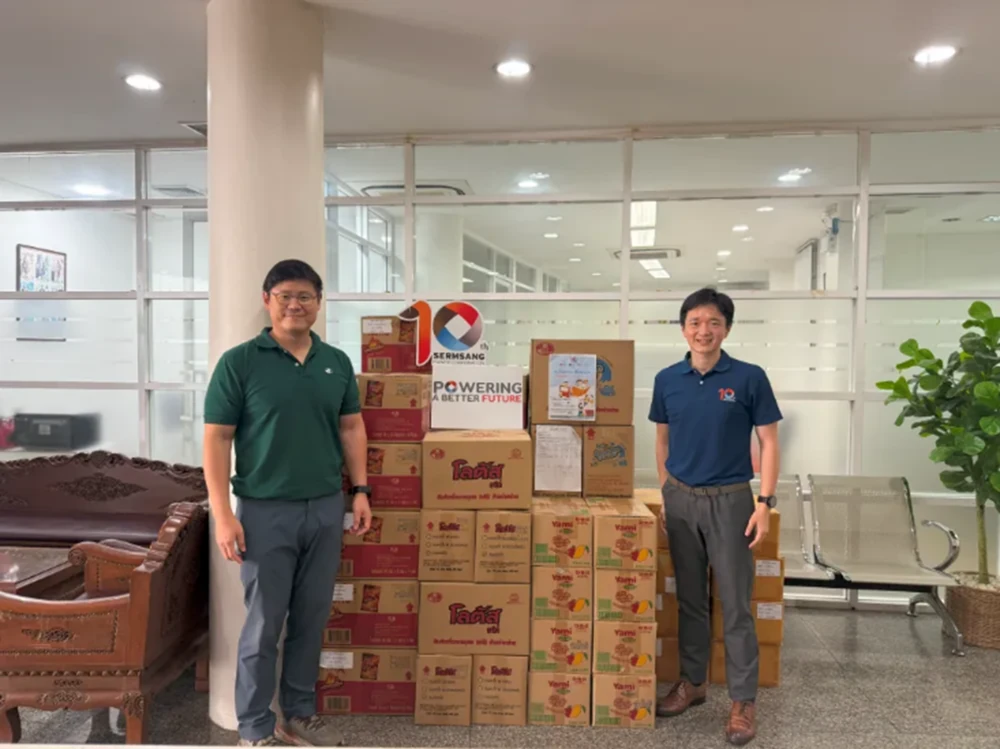
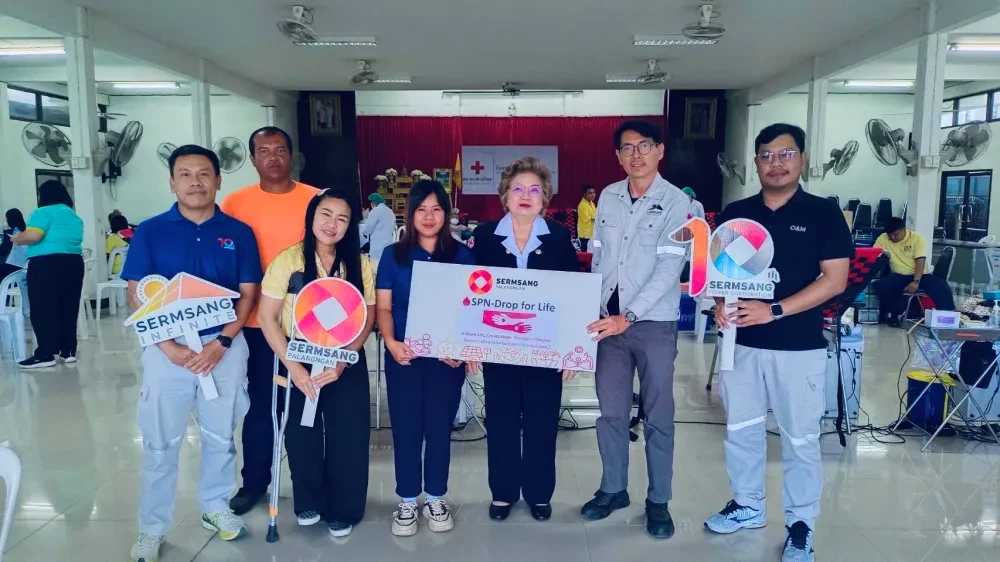
- Volunteering with Charitable Partners & NGOs: The Group partners with local Red Cross chapters to run the "SPN Drop for Life" project. This program encourages and facilitates eligible employees to participate in voluntary blood donation drives during working hours to support patients nationwide. This systematically reinforces our integrated community well-being goals in alignment with non-governmental organizations (NGOs)