

Social
21 July 2026
Digital Classroom Enhancement Project By Uni Power Tech Company Limited (UPT)
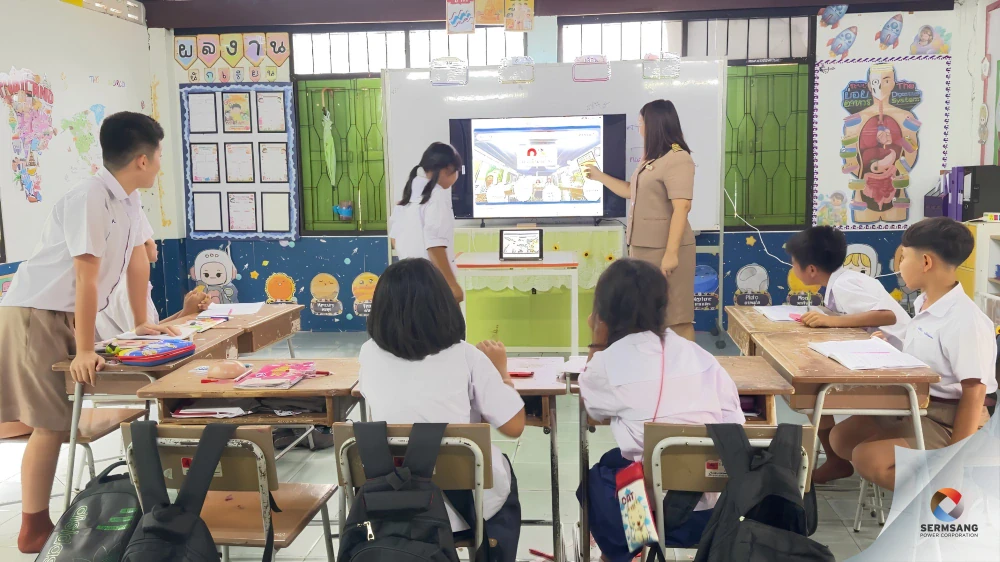
In an era of rapid technological advancement, digital-driven classrooms have become the new benchmark for education. However, digital infrastructure limitations remain a critical constraint impacting the stability and quality of education for youth in remote areas. Based on a community needs assessment within UPT's operating area, Ban Thanon Khod (Srivittayakarn) School—a small-scale school providing kindergarten through primary education with 34 students and 6 staff members—suffered from a shortage of modern educational devices and technology, directly limiting its instructional capabilities.
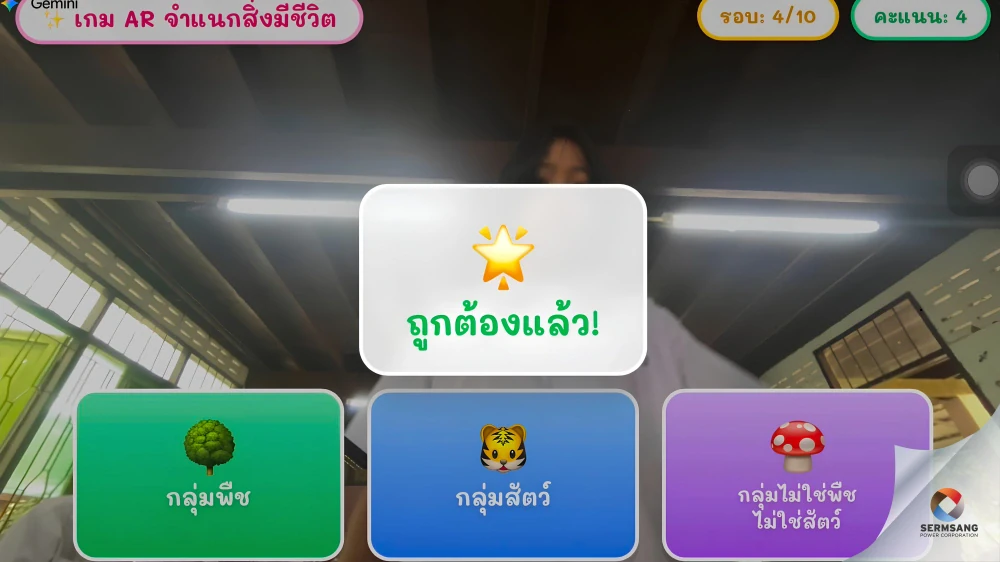
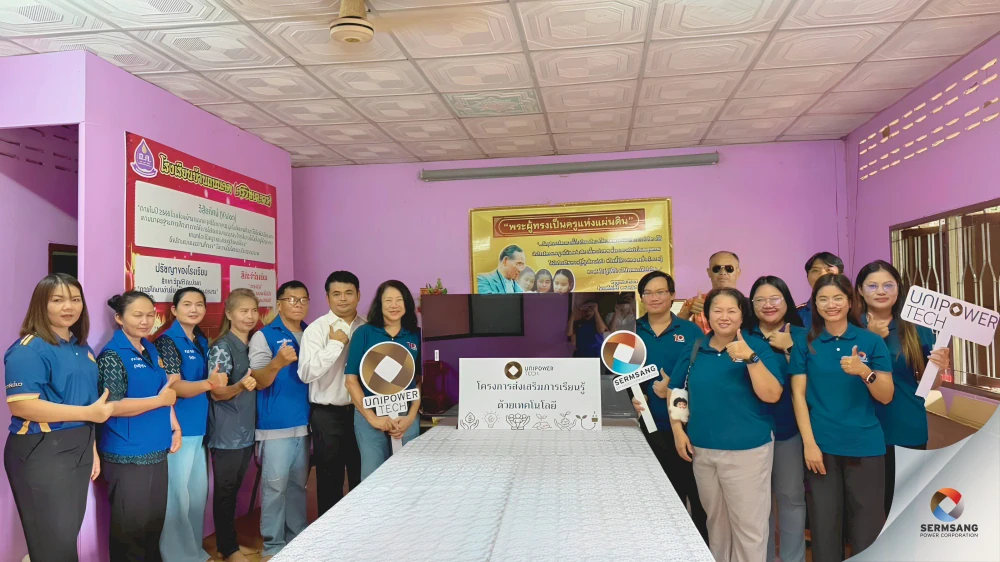
Driven by a commitment to elevate quality of life and foster sustainable social development, Uni Power Tech Company Limited m(UPT) initiated the project to sponsor and install one unit of a 55-inch Smart TV system. This initiative transforms traditional teaching methods into an efficient Digital Learning model, empowering educators to access and deliver diverse content, thereby tangibly enhancing the learning potential of youth surrounding the power plant area.
Key Lessons Learned & Project Outcomes
Since the official handover of the 55-inch Smart TV system, the project has demonstrated tangible outcomes. It immediately expanded educational technology accessibility for the targeted beneficiaries, encompassing 34 students and 6 teachers (40 direct beneficiaries in total), successfully achieving 100% of the target scope.
This success is underscored by the beneficiary satisfaction index evaluated by 5 representatives from the school and community leaders. The evaluation yielded an average score of 5.00 out of 5.00 (100% satisfaction) across all assessment parameters, significantly exceeding the baseline target of "High Level" (4.00).
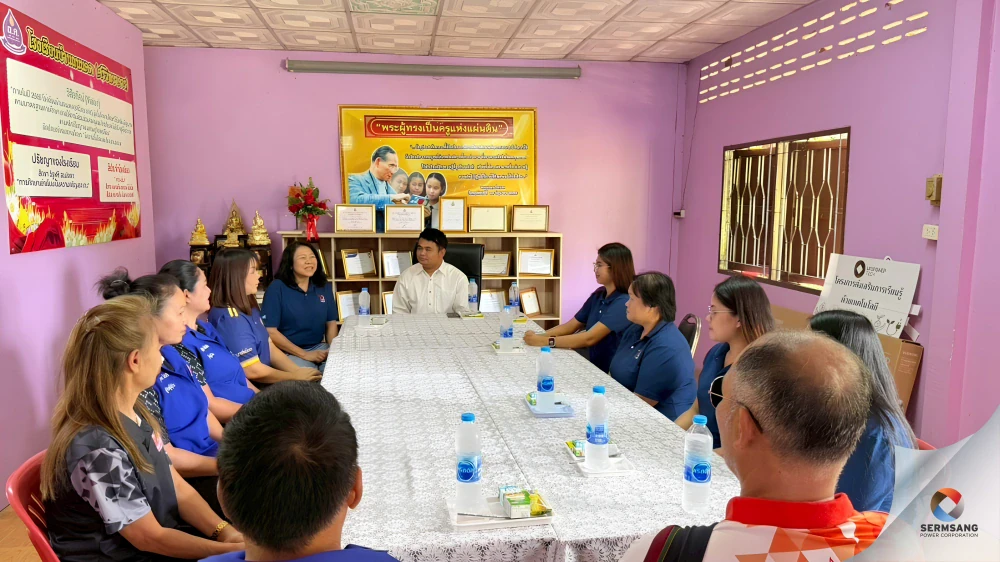
Furthermore, the handover event successfully integrated community collaboration, establishing a robust participatory mechanism between the private sector and local stakeholders. The event convened 17 representatives across 3 key sectors, including:
- Corporate: 6 employee volunteers
- Education: 6 school staff members
- Community: 5 Basic Education School Board members (including the Village Headman, Assistant Village Headman, and student guardians)
Beyond hardware delivery, the project generated deep social and intrinsic value. It enhanced learning capabilities and converted classroom environments into interactive learning spaces, encouraging student enthusiasm and facilitating faster, easier comprehension of complex lessons through multimedia. Simultaneously, it empowered educators by boosting their confidence and capabilities to design modern, diverse, and effective lesson plans suited for 21st-century education. Ultimately, this initiative laid a foundation of trust and shared value, reinforcing positive attitudes and fostering long-term social cohesion among parents, community leaders, and the company as a committed partner in sustainable community development.
Alignment with the UN Sustainable Development Goals (SDGs)
The achievements of this project directly contribute to three key dimensions of the United Nations Sustainable Development Goals (SDGs):
- SDG 4: Quality Education Eliminates technological barriers and expands inclusive, equitable access to quality digital education for youth in small, remote schools.
- SDG 10: Reduced Inequalities Narrows the digital and information divide to enhance educational equity for rural children, enabling them to develop skills on par with larger educational institutions.
- SDG 17: Partnerships for the Goals Establishes strong multi-stakeholder partnerships at the local level across the private sector (UPT), the academic sector (School), and local civil society (Community Leaders and Parents) to jointly drive sustainable development.
Gallery