


Environmental
Social
Junk Journey Project Circular Resource Management for the Quality of Life of People with Disabilities
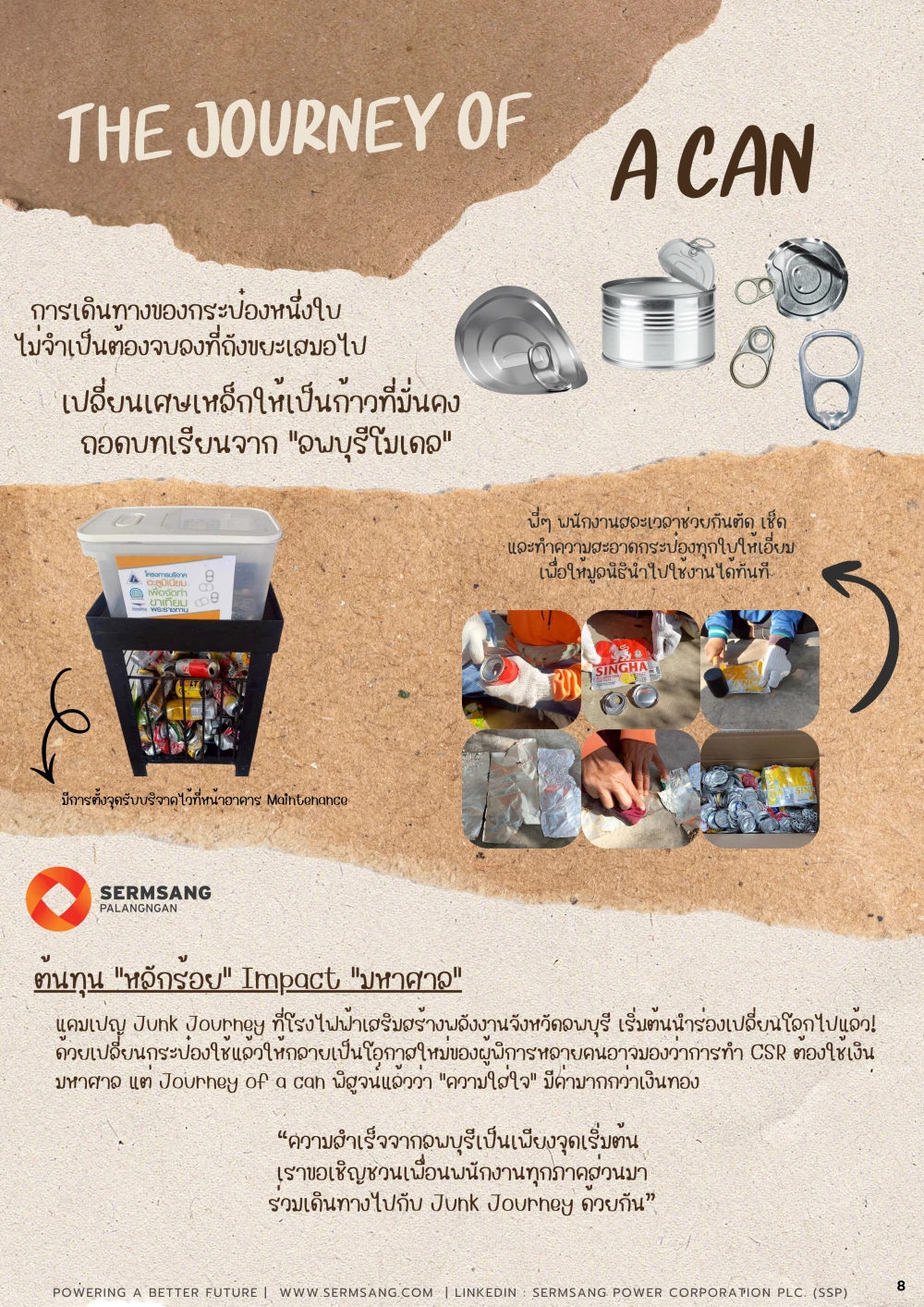
Transforming "Waste" into a Sustainable "New Step"
The company is committed to driving the organization under the Circular Economy framework through the "Junk Journey" campaign. We do not view used aluminum as mere waste, but as a "valuable resource" that can be repurposed into prosthetic devices for individuals with mobility impairments. This pilot project at the Sermsang Power Plant (Lopburi) has successfully integrated waste management with tangible Social Impact, creating Shared Value between the organization and society in a sustainable manner.
Core Operational Pillars
We have established a system centered on employee engagement at every stage to ensure that every resource is utilized for maximum benefit:
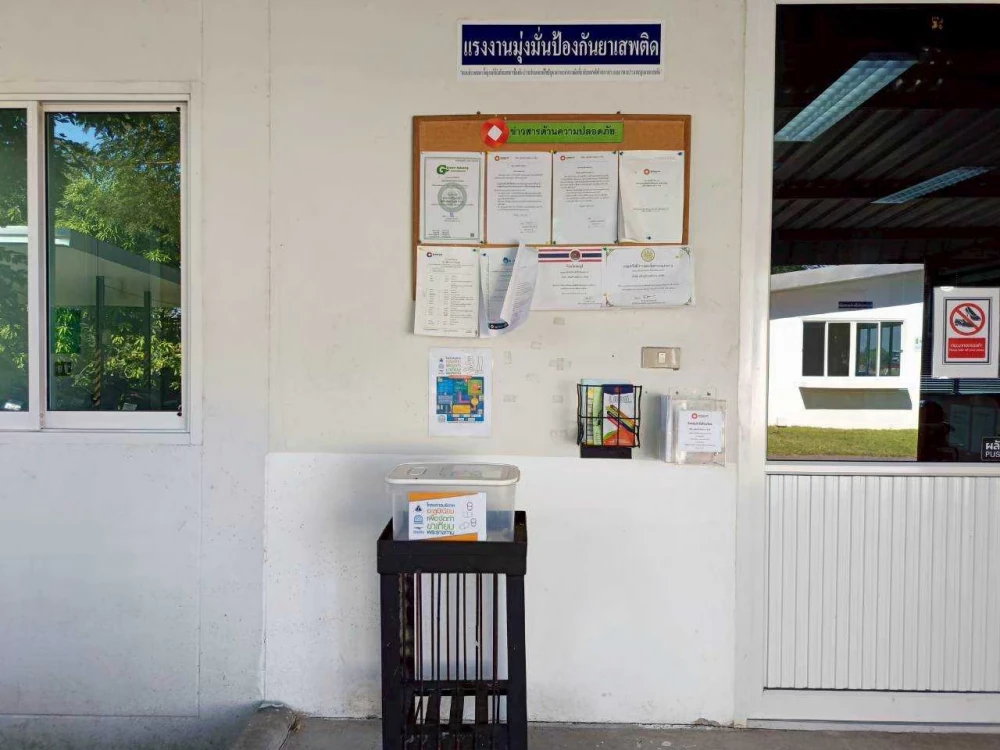
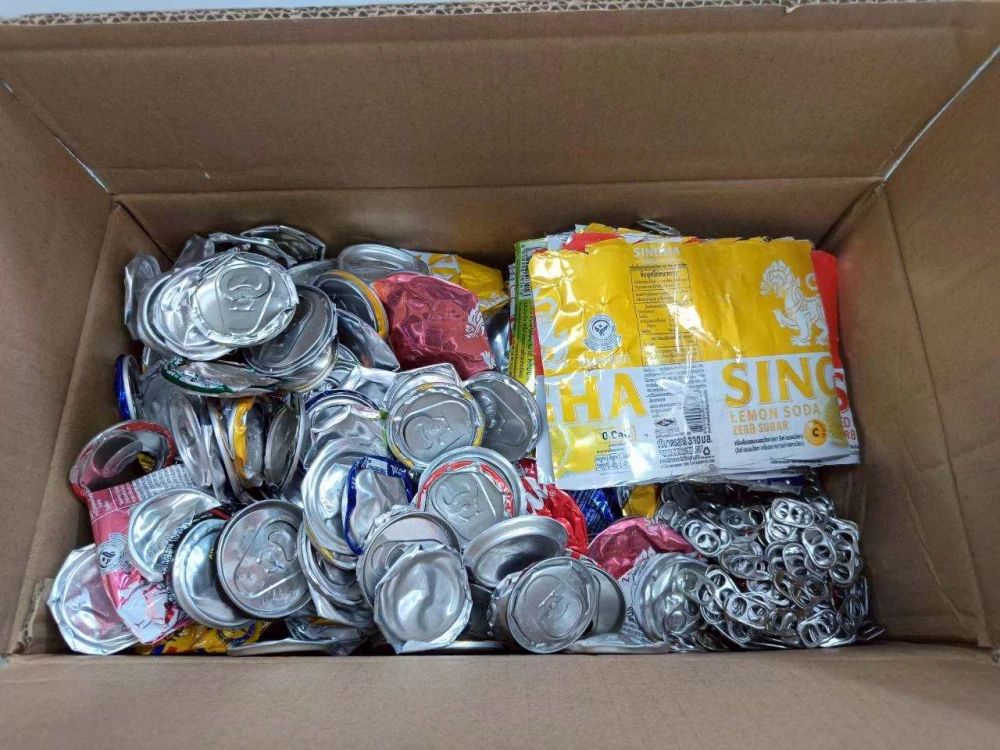
- Source Management: Strategic collection points have been established in front of the Maintenance Building (located under the Safety Board) to promote waste segregation within the plant and facilitate employee participation.
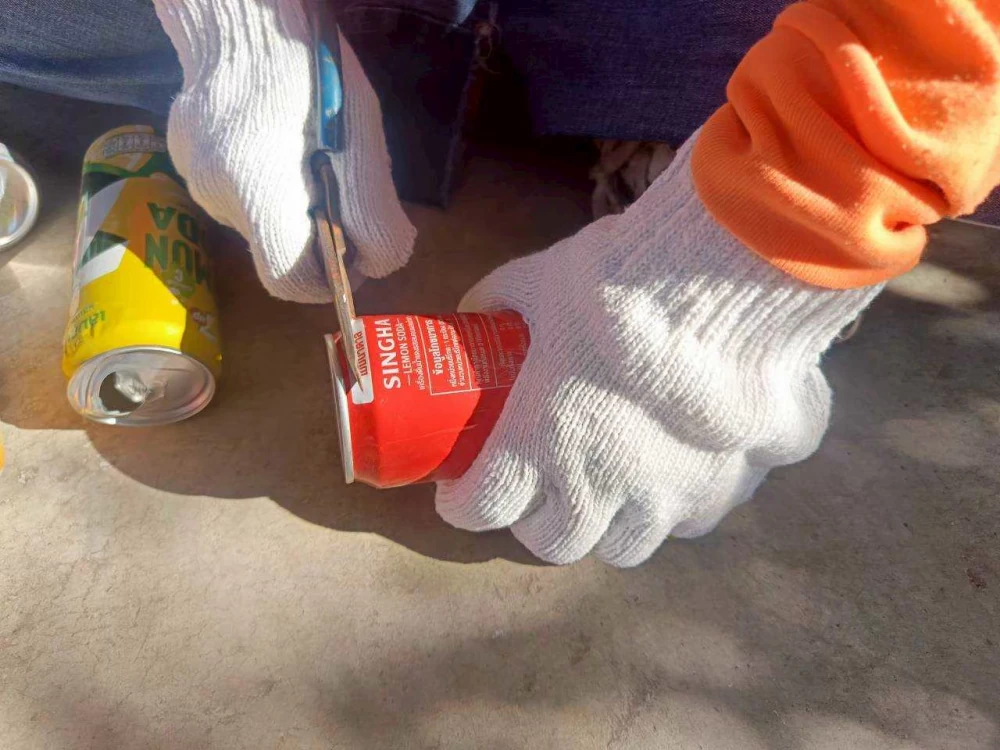
- Material Processing: Employee volunteers participate in the sorting, cutting, and cleaning of materials in accordance with technical standards. This adds value to the materials and reduces the burden on downstream recycling processes.
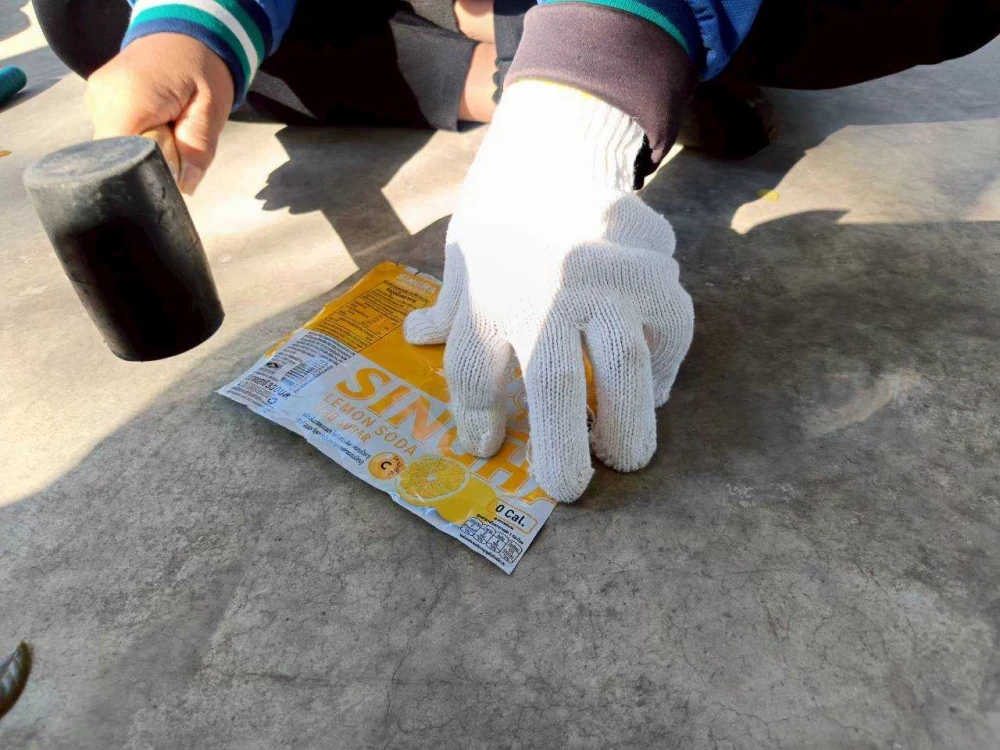
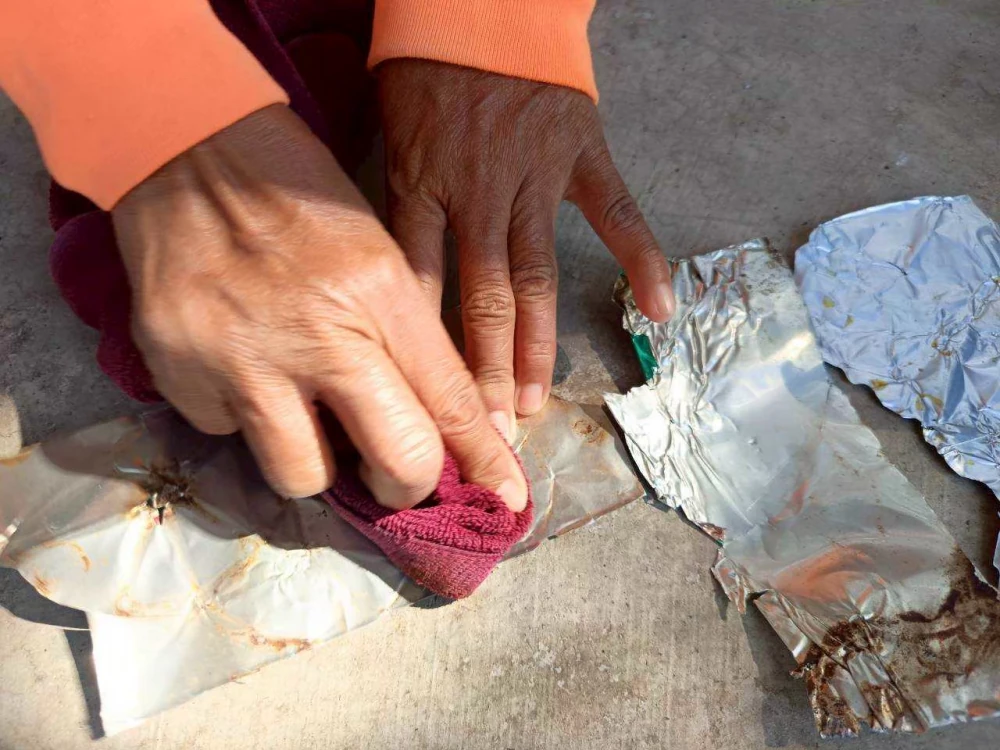
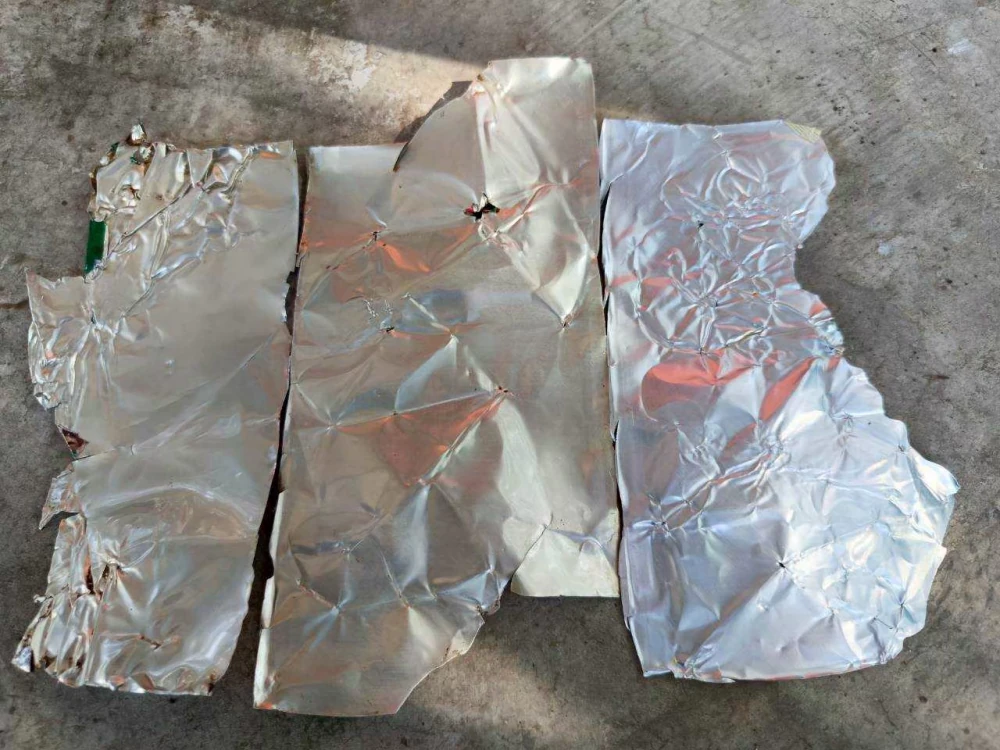
- 2025 Annual Achievement: Through year-round collaboration, employees collected 1.568 kg of high-purity grade aluminum. This was officially delivered to the Pollution Control Department on January 13, 2026, to be used in the production of Royally Bestowed Prostheses.
Quantitative Data and Project Statistics
- Operational Period: January 2025 – January 2026 (Ongoing annual project)
- Collection Target: 1.50 kg per delivery cycle
- Management Efficiency: 100% aluminum recovery rate
- Volunteer Power: 4 man-hours per cycle (for primary processing)
- Management Budget: THB 223 per cycle (THB 45 shipping; THB 178 administrative labor)
Social Impact Dashboard
The Junk Journey project aims to "Restore Life Potential" for underprivileged persons with disabilities, breaking physical barriers and fostering social equality.
| Social Impact Indicators | Actual Results | Social Value Created |
|---|---|---|
| Prosthetic Support | 1.568 kg of clean aluminum | Supported the production of 1 set of prosthetic structural parts [1] |
| Economic Burden Reduction | Household savings of THB 7,000 | Reduced expenses for high-standard medical equipment for families [2] |
| Restoration of Income Opportunities | Restored work potential for 1 individual | Enhanced employability and household income generation [3] |
| Employee Volunteerism | 4 hours per operational cycle | Reflects a human capital investment of THB 178 [4] |
| Social Return on Investment | SROI Ratio 1 : 31 | Every THB 1 invested generates THB 31.39 in social value [5] |
References & Methodology
- [1] Material Standard: Based on technical standards from the Prostheses Foundation of H.R.H. the Princess Mother. Approximately 1.5 kg of clean aluminum can be processed into one primary structural set (pylon or joint assembly).
- [2] Medical Equipment Value: Based on the preliminary estimated cost of a below-knee or above-knee prosthesis (including medical services), valued at approximately THB 7,000 per case.
- [3] Human Capital Analysis: Based on Social Value International (SVI) principles; providing mobility aids directly impacts self-reliance and employability.
- [4] Employee Engagement Value: Calculated from the average hourly wage of operational staff (THB 44.5/hr) multiplied by actual volunteer hours (4 hrs), categorized as an In-kind Contribution.
- [5] SROI Calculation Formula: Calculated as (Measurable Social Impact Value: THB 7,000) divided by (Actual Operational Cost: THB 223), reflecting the efficiency of transforming a limited budget into maximum social value.