

Social
SPN Power of Care Project
Sermsang Energy Co., Ltd. (SPN), a subsidiary of Sermsang Power Corporation Public Company Limited (SSP), is firmly committed to operating its business alongside environmental, social, and governance (ESG) responsibilities. The Company recognizes the paramount importance of the welfare and safety of educational institutions, surrounding communities, and the quality of life of its internal personnel.
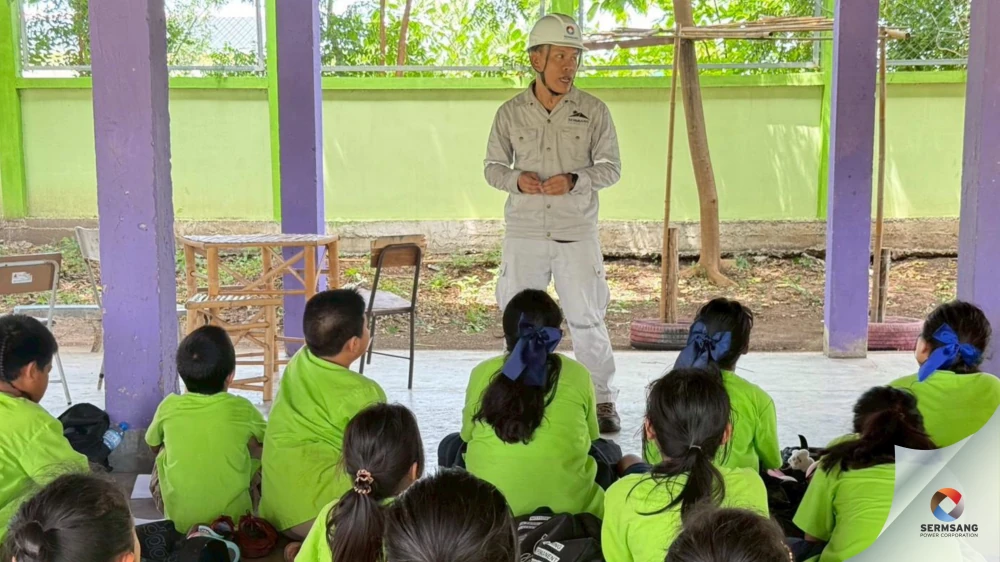
Given that Ban Wang Khon Khwang School is a vital educational institution located near our operational site, and is also the school attended by our employees' children, the Company integrated efforts with the Wang Khon Khwang Sub-district Administrative Organization (SAO) and Ban Wang Khon Khwang School to organize a public community service activity.
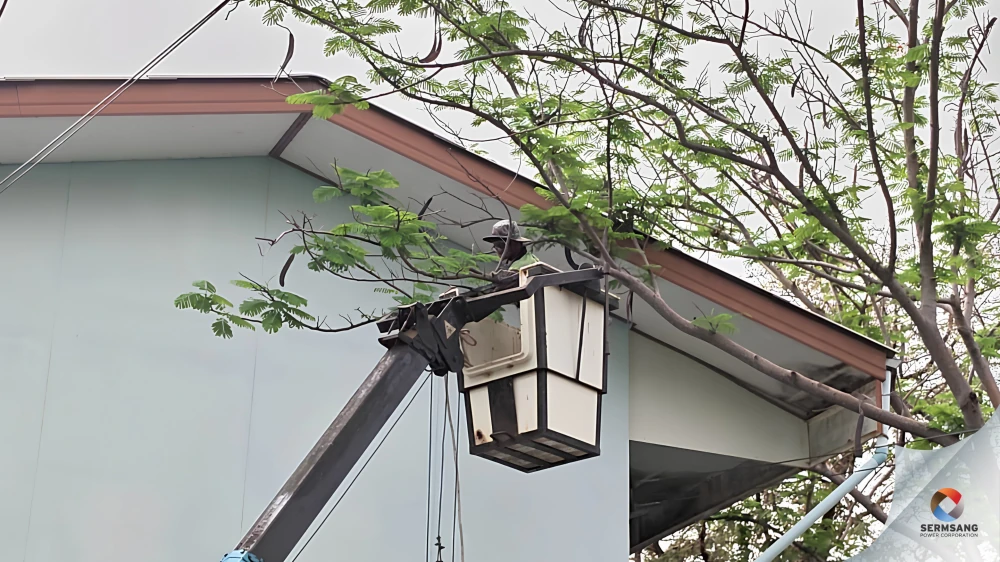
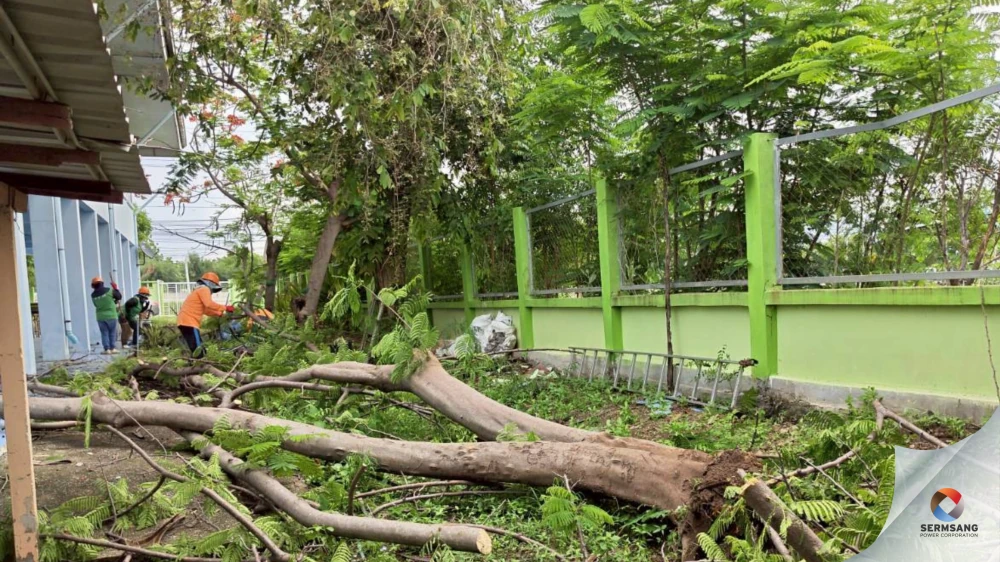
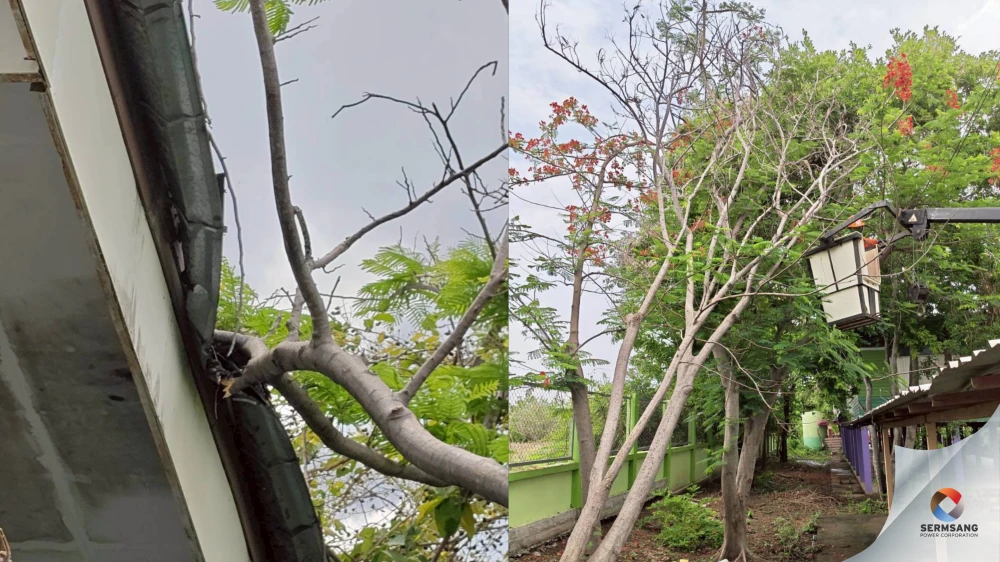
Following external coordination and grievance notifications, it was discovered that Ban Wang Khon Khwang School, located in Khok Samrong District, Lopburi Province, was facing severe physical risks. A large tree inside the school premises had collapsed onto the school building's roof. This put students, teachers, educational personnel, and our employees' children at high risk regarding their life safety and physical property, especially during the rainy season with strong winds and volatile weather conditions. Because managing large trees in confined spaces is highly challenging and poses significant hazards to volunteers without specialized equipment, the Company established this volunteer initiative. This project leveraged the engineering skills, technical expertise, and safety risk assessment capabilities of our employees to improve the physical layout and landscape in collaboration with local authorities—thereby protecting and ensuring the maximum safety and welfare of our employees' children and local youths.
Project Objectives
- To mitigate and eliminate hazards posed by large trees that threaten lives and physical assets within Ban Wang Khon Khwang School.
- To establish a safe, hygienic environment that fosters a constructive learning experience for students and educational personnel.
- To promote and integrate multi-stakeholder collaboration among corporate entities, local public authorities, and educational institutions in safeguarding schools.
- To demonstrate corporate citizenship and reflect the organization's role in operating with environmental and social responsibility in alignment with our ESG policies.
Project Scope and Stakeholders
- Project Duration: May 12, 2026 (Total of 1 day, from 08:30 to 16:30, comprising 7 operational hours). The grievance intake and preparation process commenced on May 8, 2026, followed by an on-site risk assessment on May 11, 2026.
- Location: Ban Wang Khon Khwang School, Wang Khon Khwang Sub-district, Khok Samrong District, Lopburi Province.
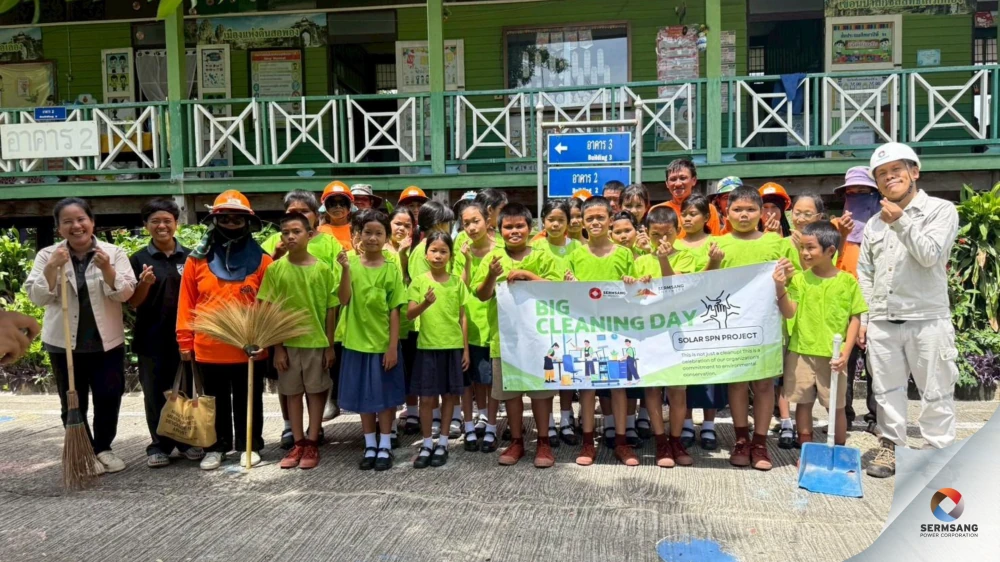
- Project Participants: A total of 12 personnel, consisting of volunteer employees from Sermsang Infinite Co., Ltd. and Pornphunon Group Co., Ltd. (Engineering and Civil Department), support staff from Sermsang Energy Co., Ltd. (SPN), and civil engineering officers from the Wang Khon Khwang SAO.
- Project Beneficiaries: 135 students (Kindergarten 1 to Grade 6), 16 teachers and educational staff, as well as parents and the surrounding community. This accounts for a total of 151 direct beneficiaries within the educational institution.
Operational Plan
1. Preparation and Pre-Risk Assessment Phase (May 8 – 11, 2026)
- Processed grievance data and evaluated localized spatial urgency upon receiving stakeholder coordination.
- Dispatched technical staff to conduct an in-depth on-site Risk Assessment.
- Coordinated a systematic plan with the school to request aerial work platforms (boom trucks) and facilitating equipment from the Wang Khon Khwang SAO.
2. Execution Phase: Landscape Modification for Safety (May 12, 2026)
- Prepared and deployed Personal Protective Equipment (PPE) for the engineering team and volunteers to enforce workplace safety controls.
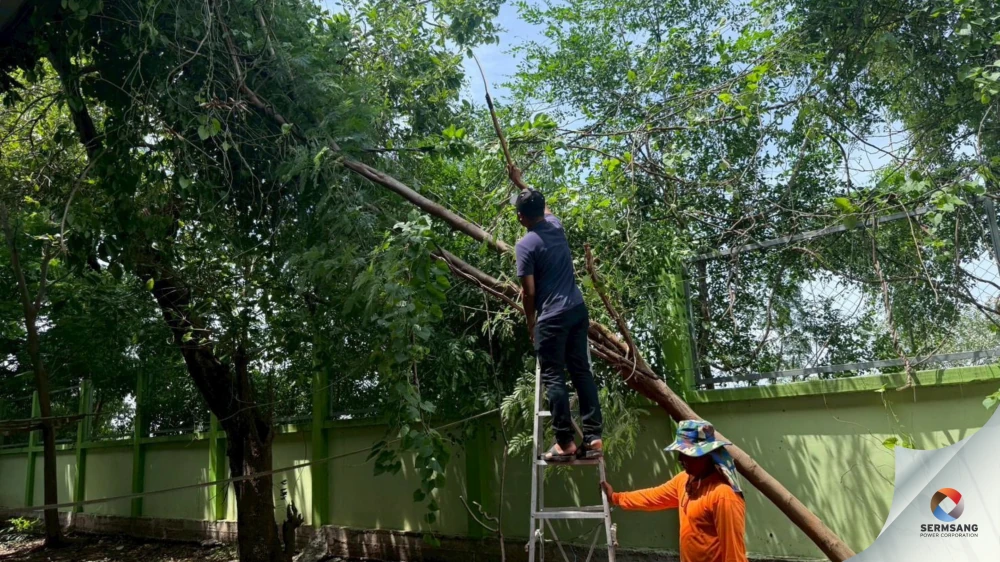
- Positioned the aerial work platform to execute precise, technically guided pruning and felling of the large tree leaning against the school building and power lines.
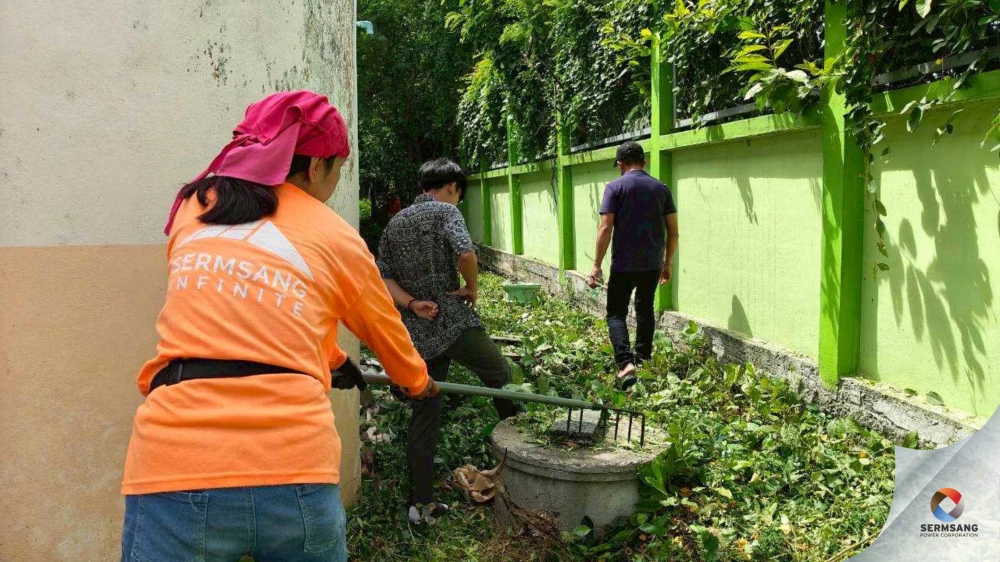
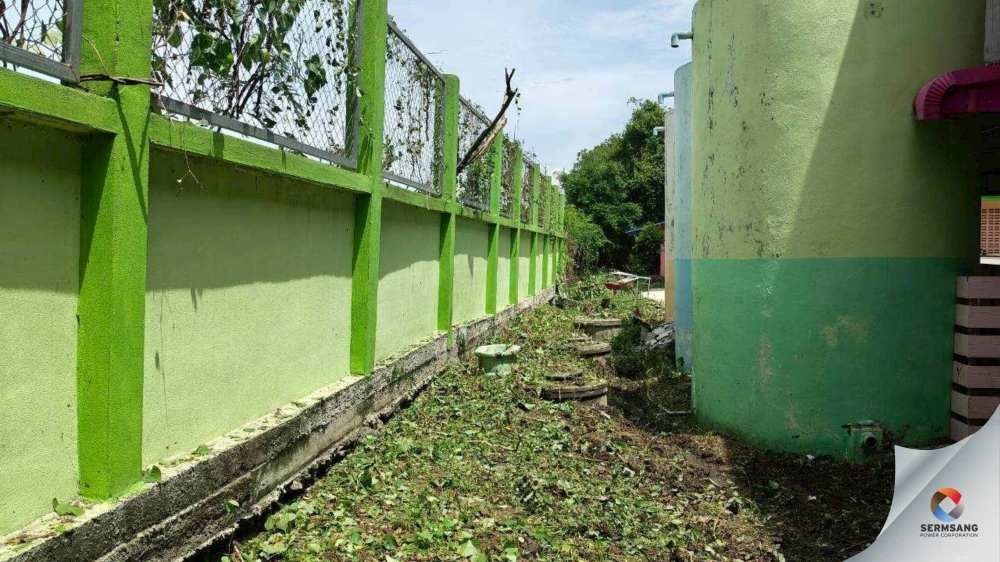
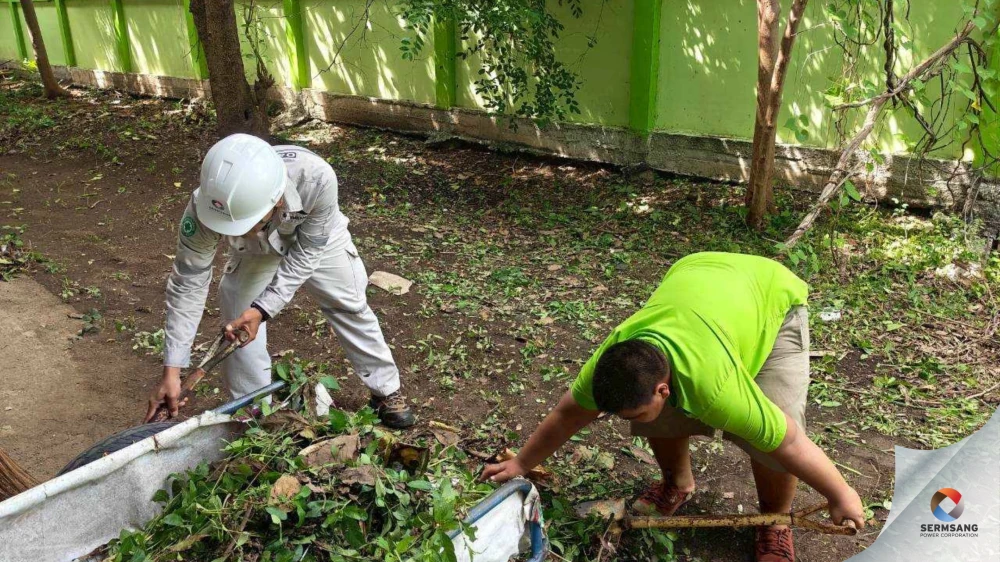
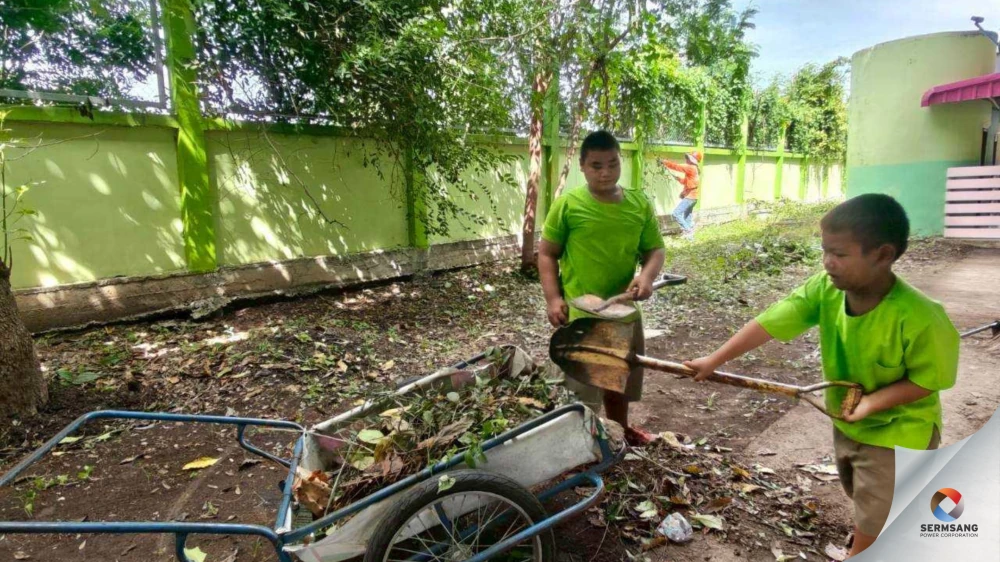
- Cleared debris, trimmed overhanging branches, and restored the surrounding walkways to ensure a clean, safe, and unobstructed environment.
- Conducted a final structural safety inspection and successfully handed over the secured area to the school.
Social Impact Value Chain Analysis
Inputs
- Human Capital and Time: 7 operational hours contributed collectively by the volunteer employees and technical staff.
- Financial Investment: A budget allocation for 5 liters of Gasohol 91 fuel for chainsaws (equivalent to THB 210.40), technical tools, and labor costs for physical infrastructure development.
- In-kind Support: An aerial work platform and operating personnel provided by the Wang Khon Khwang SAO.
Activities
Pruning and felling of the large tree leaning against the school building, treating root structures affecting the school walls, and clearing away remaining branches and materials to ensure a clean and safe environment.
Outputs
- Complete and successful mitigation and removal of the high-risk large tree leaning over the school building's roof.
- Complete removal and reduction of physical hazard risks and logistical obstructions within the educational institution's premises.
Users
- Students and Teachers (151 individuals): The primary target group utilizing the physical space for daily learning and operations.
- Ban Wang Khon Khwang School: The institutional entity owning and managing the educational facilities.
- Parents and the Community: Stakeholders utilizing the surrounding areas and visiting the school for administrative purposes.
Outcomes
(The process of qualitative transition: Users $\rightarrow$ Acceptance $\rightarrow$ Application leading to change)
- 135 students and 16 teachers recognized a distinct transformation in their physical environment, which became significantly cleaner, brighter, and more open.
- Personnel and students accepted and regained absolute confidence in the school's safety and welfare systems after the structural risk (the leaning tree) was resolved.
- Anxiety and apprehension regarding potential tree-toppling accidents during the rainy or stormy season were entirely eliminated, fostering peace of mind and psychological well-being.
- The school fully reclaimed the area for educational purposes and outdoor recreational activities with optimized safety.
- Fostered a positive attitude and deep trust among parents and the surrounding community regarding enrollment at Ban Wang Khon Khwang School.
Impacts
Students and educational personnel at Ban Wang Khon Khwang School are permanently safeguarded against physical accidents. The physical environment directly enhances long-term well-being, personal safety, and learning efficiency.
Theory of Change (ToC) Assessment
- Pathway 1 (Physical Safety & Infrastructure): IF the technical engineering team and volunteer employees clear and eliminate the large tree leaning against the school building using rigorous safety protocols and aerial platforms, THEN structural hazards threatening the buildings and walls will be eliminated, LEADING TO a permanent reduction in physical injury risks for students and teachers, while preventing damage to the school’s public property.
- Pathway 2 (Psychological Well-being & Mental Health): IF the overgrown and confined spaces caused by dense branches and wall-damaging roots are cleared and landscaped, THEN an open, hygienic, and safe environment free of blind spots will be created, LEADING TO enhanced psychological well-being among youths and teachers, allowing them to learn and work without climate-induced anxieties, thereby improving focus and cognitive efficiency.
- Pathway 3 (Social Capital & Multi-Stakeholder Trust): IF the private sector collaborates actively to resolve local challenges alongside the Wang Khon Khwang SAO and the local school, THEN a specialized resource-integration mechanism (machinery, technical labor, and capital) and shared corporate citizenship will be established, LEADING TO robust social capital, an outstanding community satisfaction rate of 96.40%, and sustainable trust among the community, public authorities, and corporate enterprises.
Social Return on Investment (SROI) Evaluation
(Analyzed under a single, non-recurring event framework, excluding annualized accumulation or multi-year carrying value).
1. Monetizing the Total Economic Input
The total input value combines actual financial expenditure and quantified in-kind/virtual resources:
- Direct Financial Spend: THB 2,842.40 (Comprising THB 2,632.00 for outsourced civil/technical labor and THB 210.40 for 5 liters of Gasohol 91 chainsaw fuel).
- In-kind Public Support: THB 3,500.00 (The market proxy value for a 1-day rental of an aerial work platform and operator, courtesy of the Wang Khon Khwang SAO).
- Volunteer Human Capital: THB 4,200.00 (Calculated from 12 corporate volunteers working 7 hours each, totaling 84 man-hours, multiplied by an economic market proxy wage rate of THB 50.00/hour).
- Total Investment (Input): THB 10,542.40
2. Valuation of Net Social Impact
The calculation of net social impact immediate to the base year utilizes qualitative-to-monetary financial proxies, adjusted downward for baseline parameters (Deadweight: 10% and Attribution: 15%) in compliance with global standards:
- Property Protection Value: Based on average school building repair costs resulting from natural disasters (Office of the Basic Education Commission / Thailand Development Research Institute) at an initial value of THB 15,000.00. Adjusted for deadweight and attribution, the net impact value equals THB 11,250.00.
- Physical Cost Reduction: Based on standard median prices for commercial large-tree pruning and disposal contracts (The Comptroller General’s Department) at an initial value of THB 10,250.00. Adjusted for deadweight and attribution, the net impact value equals THB 7,687.50.
- Welfare and Psychological Well-being Value: Based on the Willingness to Pay (WTP) index for safety and welfare (Social Value Thailand) at THB 100.00 per person annually. For the target group of 151 individuals, the initial value is THB 15,100.00. Adjusted for deadweight and attribution, the net impact value equals THB 11,325.00.
Aggregating the present value of all net social outcomes yields a Total Present Value (TPV) of THB 30,262.50, reflecting immediate social value generated within the area.
3. SROI Ratio Calculation

Social Value Conclusion: The project yielded an SROI ratio of 1 : 2.87. This implies that for every THB 1.00 invested collectively by the corporate group and its network partners (encompassing monetary budgets, volunteer hours, and heavy machinery support from the SAO), an immediate social return value of THB 2.87 was delivered back to society. This is manifested in enhanced institutional safety, physical risk reduction, and the mental well-being of teachers and students within the surrounding community.
Methodological Framework and Reference Benchmarks
- Median Prices for Physical Outsourcing and Landscaping: The Comptroller General’s Department, Ministry of Finance, Government Electronic Procurement System (e-GP). (Utilized as a commercial benchmark for civil works and large-tree pruning contracts in Lopburi Province).
- Financial Proxies for Institutional Well-being and Safety: Social Value Thailand Association. (Utilized for the contingent valuation methodology regarding peace of mind and localized physical disaster risk reduction).
- Statistical Benchmarks for Property Asset Protection: Thailand Development Research Institute (TDRI) and school accident statistics from the Office of the Basic Education Commission (OBEC). (Utilized to proxy the averted structural maintenance and repair costs for school buildings).
- Methodological Evaluation Standards: Social Impact Assessment (SIA) and Social Return on Investment (SROI) Manual published by the Puey Ungphakorn School of Development Studies, Thammasat University, in collaboration with the Program Management Unit on Area Based Development (PMUA) and the Thailand Science Research and Innovation (TSRI). (Utilized to anchor the impact value chain, deduct baseline deadweight/attribution parameters, and calculate final ratios).
Gallery