


10 July 2026
Small Steps, Big Impact Understanding Carbon Emissions for a Greener Planet
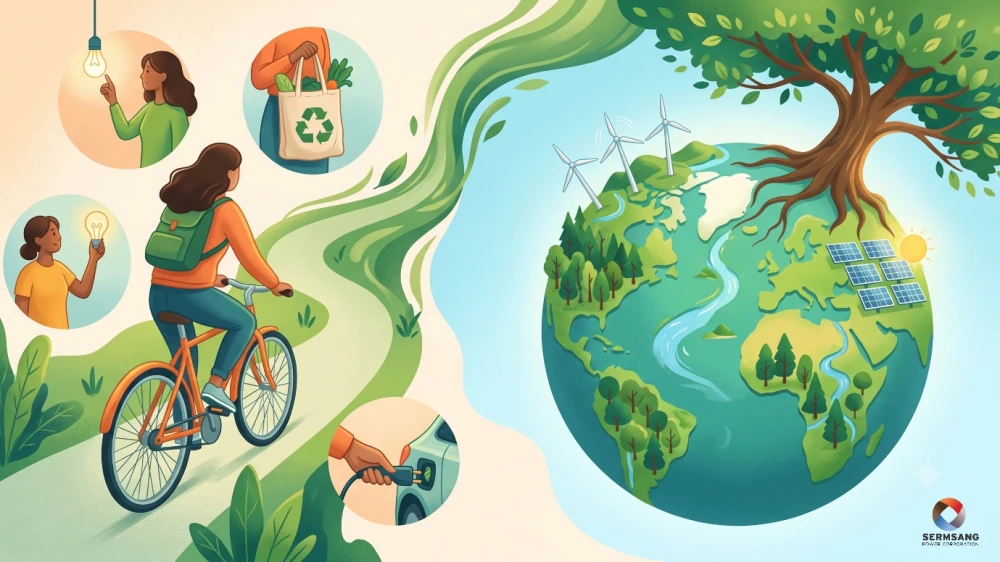
International Reducing CO2 Emissions Day is an important awareness day observed to remind people of climate change and to encourage collective action in reducing carbon dioxide (CO2) emissions—one of the primary greenhouse gases driving global warming. (While this day is not officially established by the United Nations, it is widely recognized as a platform for environmental communication and raising awareness.
Carbon Emissions
Carbon emission refers to the release of carbon dioxide (CO2) into the atmosphere, resulting from both human activities and natural processes. Everyday activities, such as commuting, consuming electricity, or manufacturing goods, all contribute to these emissions. As a greenhouse gas, carbon dioxide plays a critical role in climate change. When it accumulates in large quantities, it traps more heat in the atmosphere, causing global temperatures to rise. Therefore, reducing these emissions is a vital approach to sustainably caring for our planet.
The excessive emission of greenhouse gases amplifies the greenhouse effect, leading to global warming. This triggers the melting of polar ice caps and rising sea levels, which puts low-lying areas like Bangkok at a higher risk of flooding. Furthermore, it causes extreme weather events and threatens certain animal species with extinction due to their inability to adapt to the rapidly changing climate.
Reducing our greenhouse gas emissions can begin with simple, everyday habits:
- Choosing public transportation helps reduce Scope 1 emissions by directly cutting down on fuel combustion.
- Turning off lights and conserving electricity helps reduce Scope 2 emissions by lowering the demand for power generation.
- Purchasing eco-friendly products, reducing plastic consumption, and sorting waste for recycling all contribute to reducing Scope 3 emissions.
Though these may seem like minor actions in our daily routines, practicing them consistently can collectively reduce environmental impacts in a sustainable way.
Ultimately, mitigating greenhouse gas emissions is not solely the responsibility of governments or large corporations; it is a shared responsibility that belongs to all of us. Every small choice we make in our daily lives matters. When the small efforts of many individuals unite, they transform into a powerful force driving our world toward a truly sustainable future.
Greenhouse Gas (GHG) Emissions Classification for Organizations
- Scope 1 – Direct Emissions: Emissions from greenhouse gas sources that are owned or controlled by the organization, such as biomass combustion.
- Scope 2 – Indirect Energy Emissions: Emissions associated with the generation of electricity, steam, or energy purchased and consumed by the organization.
- Scope 3 – Other Indirect Emissions: Emissions that occur as a consequence of the organization's activities but from sources they do not own or control, such as employee commuting.
Article by: Duangporn Ngamyoojaroen
References