

Social
Work-Integrated Learning: Professional Skills Enhancement Project (BOI Internship Program)
The Company is committed to fostering human resource sustainability within the energy industry. By implementing the Work-Integrated Learning (WIL) project under a Memorandum of Understanding (MOU) with the Office of National Higher Education Science Research and Innovation Policy Council (NXPO), the Company drives the “School-in-Factory” model. This initiative bridges the gap between theoretical knowledge and practical application within the biomass power plant business.
Objectives and Goals
- Professional Skill Development: Providing opportunities for students at the High Vocational Certificate, Bachelor’s, and Master’s degree levels to gain hands-on experience aligned with energy industry standards.
- Innovation and Production Processes: Supporting end-to-end Research and Development (R&D) and the integration of modern software and technologies to enhance eco-friendly power generation efficiency.
- Energy Stability: Developing expertise in installation, maintenance, and process control to ensure operational continuity and sustainability.
Operational Details
- Project Duration: May 2025 – April 2031 (Total of 5 cohorts).
- Target Group: Students across three levels: High Vocational Certificate, Bachelor’s Degree, and Master’s Degree.
- Budget (Cohort 1, Year 1): 989,750 THB.
Project Performance (2025 - Cohort 1)
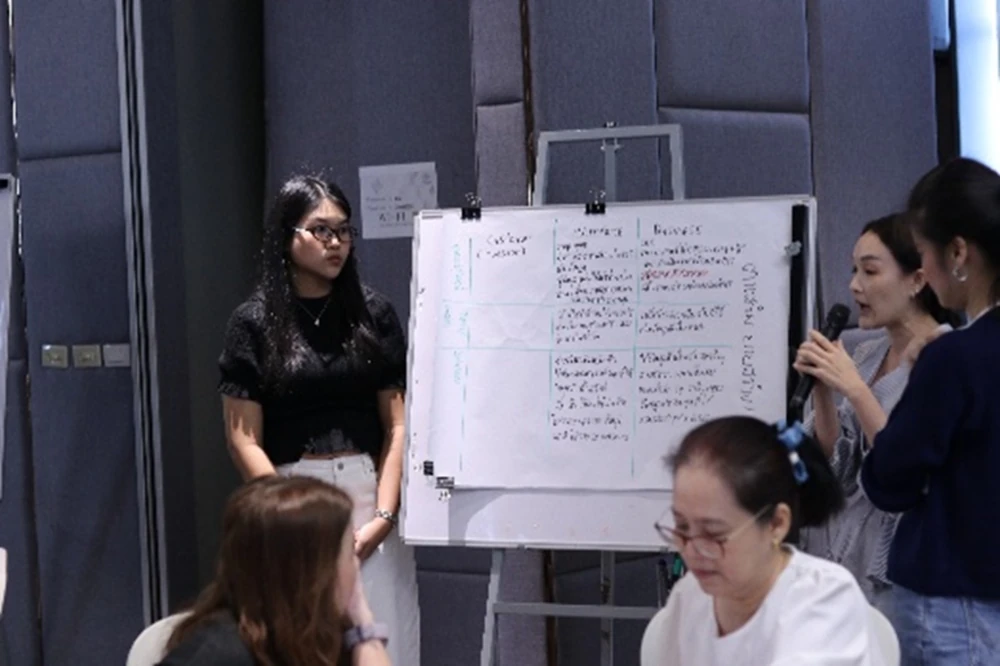
In the past year, the Company achieved its defined quota by enrolling 2 students into the first cohort. These participants were engaged in critical operational areas as follows:
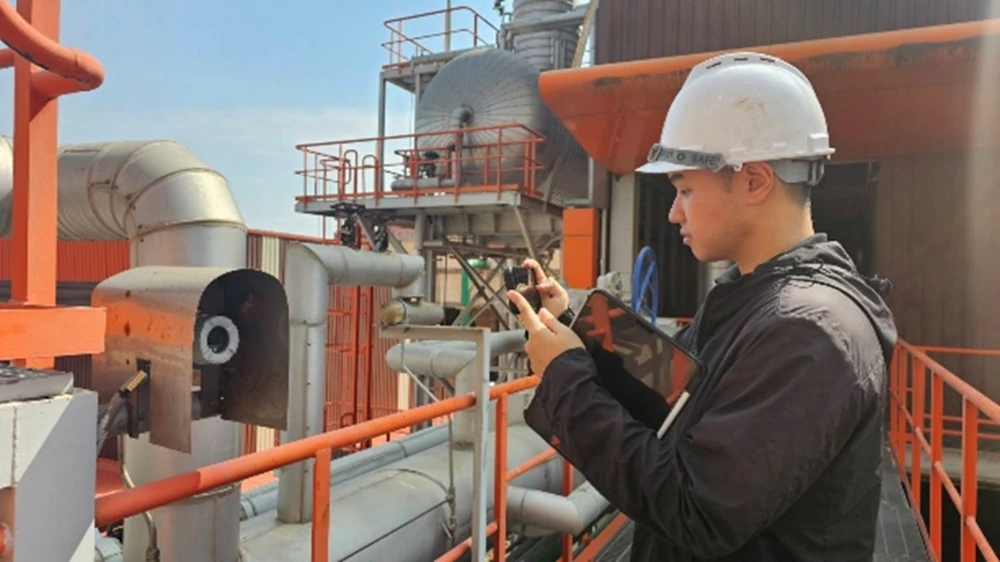
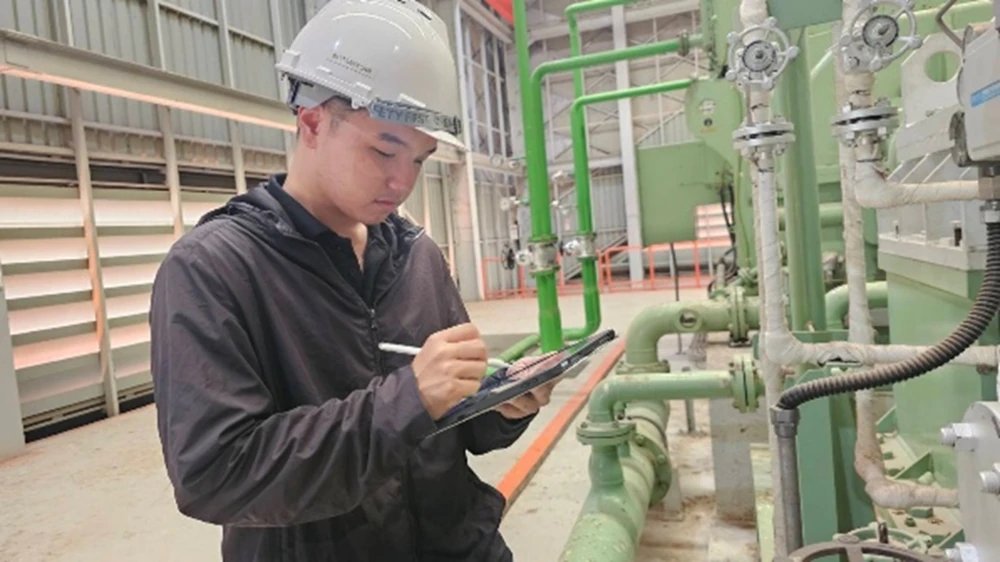
- Master’s Student, Faculty of Electronic and Telecommunications Engineering (KMUTT): Assigned to the Operations and Maintenance (O&M) department, covering biomass power plant operation control and technical maintenance skills.
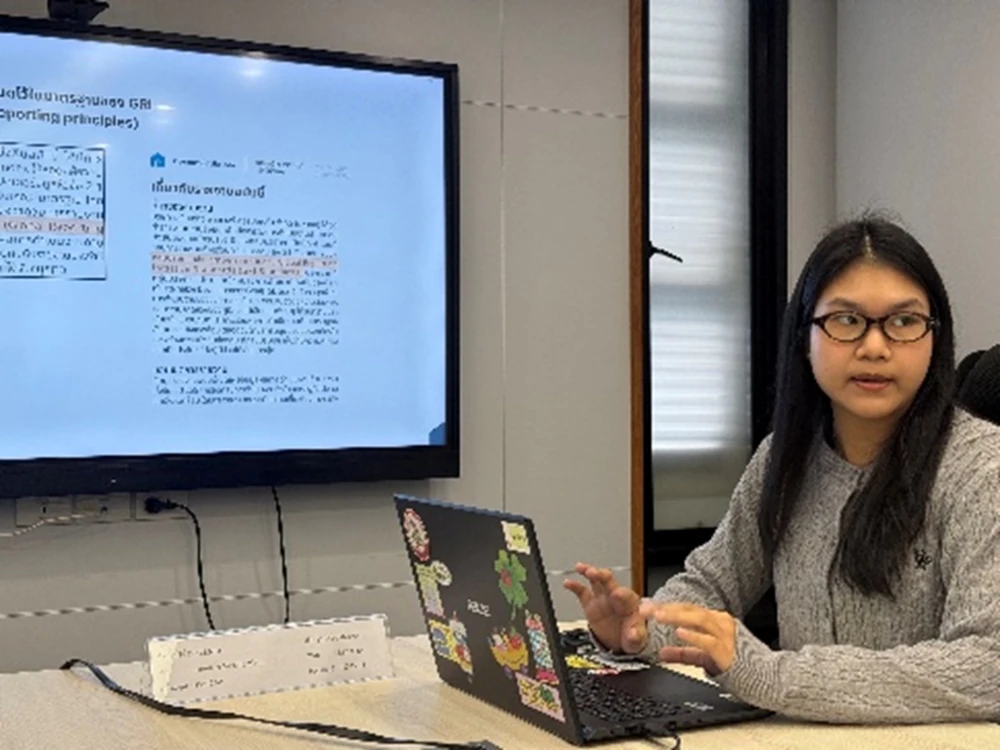
- Master’s Student, Faculty of Environmental Engineering and Sustainability (KMUTT): Assigned to the Sustainable Development department, covering corporate sustainability management, good governance, and environmental management within the energy industry.
The project outcomes not only develop high-potential personnel ready for the labor market—specifically within the energy sector—but also reflect the Company’s commitment to SDG 4: Quality Education and SDG 8: Decent Work and Economic Growth. Through the transfer of specialized knowledge, the Company strengthens national energy security in the long term and supports its goal of sustainable human resource development aligned with industrial demands.
Gallery